Human Systems Design
The Responsibility System
What you carry, what you do not, and how the line was drawn.
Definition
The Responsibility System is the internal allocation of what a person considers theirs to solve, absorb, prevent or repair.
Summary
The Responsibility System governs how a person decides what belongs to them. When it is well-designed, responsibility is proportional, chosen and refusable. When it is over-designed, a person absorbs weight that is not theirs, and burns out doing work that was never assigned. Human Systems Design maps the origins of this pattern and rebuilds fair distribution.
What this page solves
This page is for readers who are the reliable one, the fixer, the strong one, and are quietly running out of themselves.
In plain language
Responsibility is not the same as capability. It is the invisible ledger of what you assume is yours to hold, often long before anyone has asked you to hold it.
Why this system develops
Over-responsibility usually forms in childhood roles that required the person to manage adult emotions, hold family peace, or become useful in order to be safe. It is later rewarded by workplaces and relationships that benefit from someone who will not put the weight down.
What it looks like in everyday life
- You feel guilty when you are not doing anything.
- You notice problems before anyone else and quietly solve them.
- You struggle to delegate because it feels faster to do it yourself.
- You feel responsible for other people's moods.
- You confuse being helpful with being safe.
Common misconceptions
- Being responsible is a virtue. Being over-responsible is a survival strategy.
- If you put it down, everything will collapse. Usually the shape simply redistributes.
- You are the strong one. You are the trained one.
Practical redesign points
- Distinguish 'assigned', 'assumed' and 'absorbed' responsibilities on paper.
- Return one absorbed responsibility per week.
- Practise the sentence 'that is not mine to hold'.
- Notice guilt as a signal that the system is being renegotiated, not that something is wrong.
Short diagnostic
- What are you currently holding that nobody asked you to hold?
- What would you have to feel if you stopped being the reliable one?
- Whose weight are you carrying because it is easier than watching them struggle?
Questions readers ask
What is over-responsibility?
Over-responsibility is the pattern of absorbing weight that is not yours in order to keep a system stable. It is not moral strength; it is a trained survival strategy that eventually costs the carrier their energy, health and identity.
Why do I feel guilty when I rest?
Guilt is often the felt experience of renegotiating an old contract. If your safety once depended on being useful, rest will initially feel like a threat rather than a right.
How do you put responsibility down without harming others?
By returning one thing at a time, allowing the discomfort of the redistribution, and trusting that other adults are capable of carrying their own weight when it is no longer being lifted for them.
Books that map this system

The Self-Reliance Trap
How to Stop Doing Everything Yourself
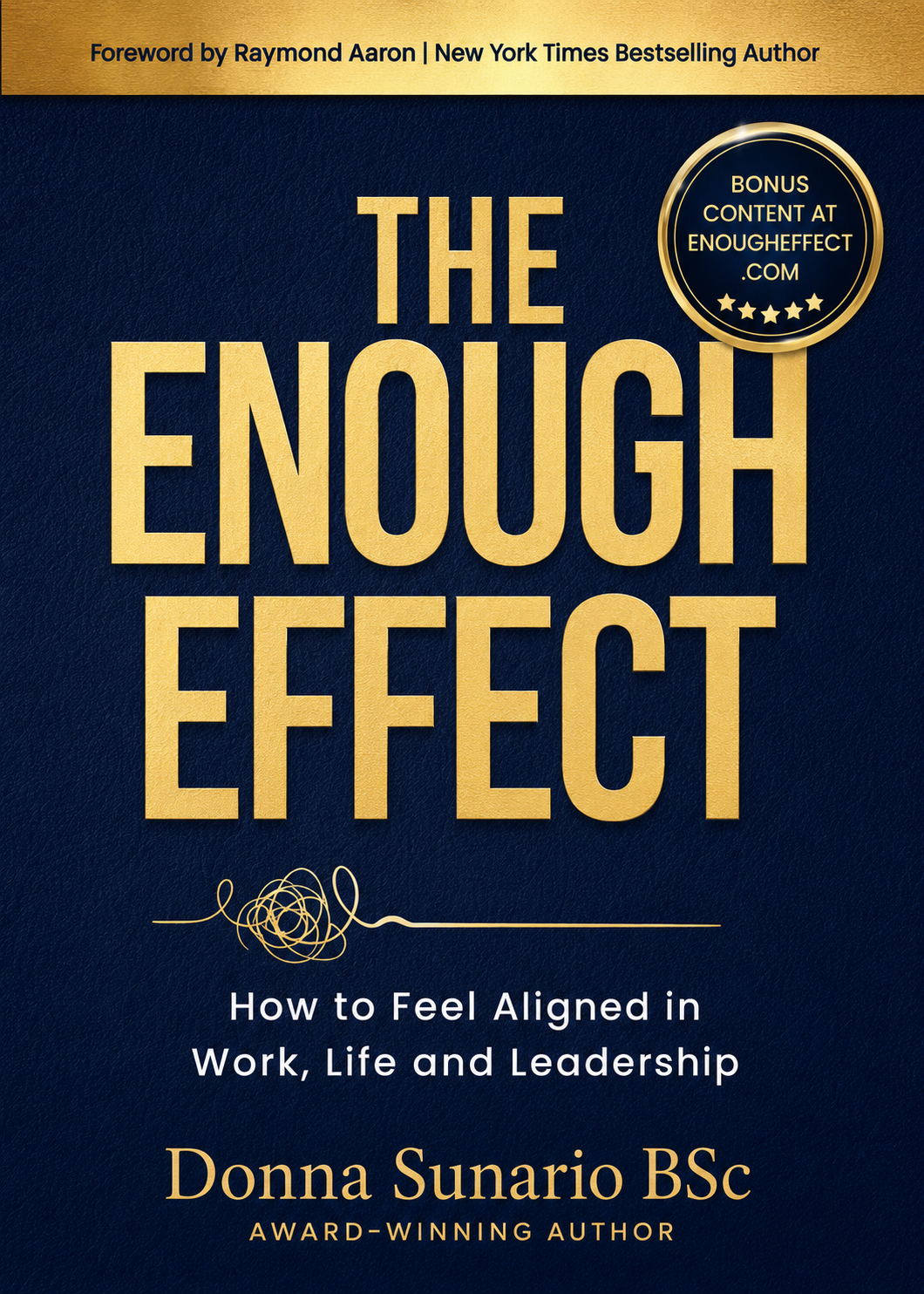
The Enough Effect
How to Feel Aligned in Work, Life and Leadership