Human Systems Design
The Safety System
How your body decides whether the world is safe enough to rest in.
Definition
The Safety System is the nervous-system-based apparatus that continuously assesses environments, relationships and internal states for threat, and adjusts physiology accordingly.
Summary
The Safety System is the body's ongoing evaluation of whether it can drop guard. It is regulated by the autonomic nervous system and shaped by early experience, chronic pressure and relational history. When it works, a person can rest, connect and think clearly. When it is chronically activated, the person appears calm on the outside while running on internal alarm.
What this page solves
This page is for readers whose bodies will not switch off, even when their circumstances are objectively fine.
In plain language
Safety is not the absence of danger. It is a physiological state your body either can access or has been trained out of. Everything from sleep to intimacy to concentration depends on it.
Why this system develops
The Safety System is calibrated by what the nervous system had to do to survive. Early unpredictability, emotional pressure, high-stakes environments or sustained responsibility all teach the body that vigilance is the sensible default. Once trained, this pattern continues long after the original conditions have gone.
What it looks like in everyday life
- You cannot switch off even on holiday.
- You wake at 4am with your chest already braced.
- You feel unsafe being cared for, admired or seen.
- Silence makes you uncomfortable.
- Your body reacts to a calm email as if it were a threat.
Common misconceptions
- You need better sleep hygiene. Sleep will not fix a nervous system that cannot land.
- You are anxious. You may be regulated exactly as your history taught you to be.
- Feeling safe is a choice. It is a physiology, and physiology is rebuilt through experience, not through willpower.
Practical redesign points
- Add small daily experiences of predictability and completion.
- Reduce ambient threat inputs (news, notifications, urgent tones).
- Build one relationship in which you do not have to perform.
- Practise being received before earning it.
Short diagnostic
- When did your body last feel unmistakably safe?
- What would need to change for you to be able to rest without earning it?
- Which environments quietly reactivate your vigilance?
Questions readers ask
What is the safety system and why does it matter?
It is the body's continuous assessment of whether it can lower its guard. Nothing else, including sleep, focus, intimacy or creativity, works properly if this system is chronically activated.
Why do I feel unsafe even when nothing is wrong?
The Safety System responds to physiological pattern rather than present fact. If your nervous system was trained by early pressure, chronic vigilance or unpredictable relationships, it will continue to register threat until it is retrained through experience.
How do you restore a sense of safety in the body?
Through repeated, small, predictable experiences of being received, held and complete. Regulation is built by physiology, not by insight.
Books that map this system
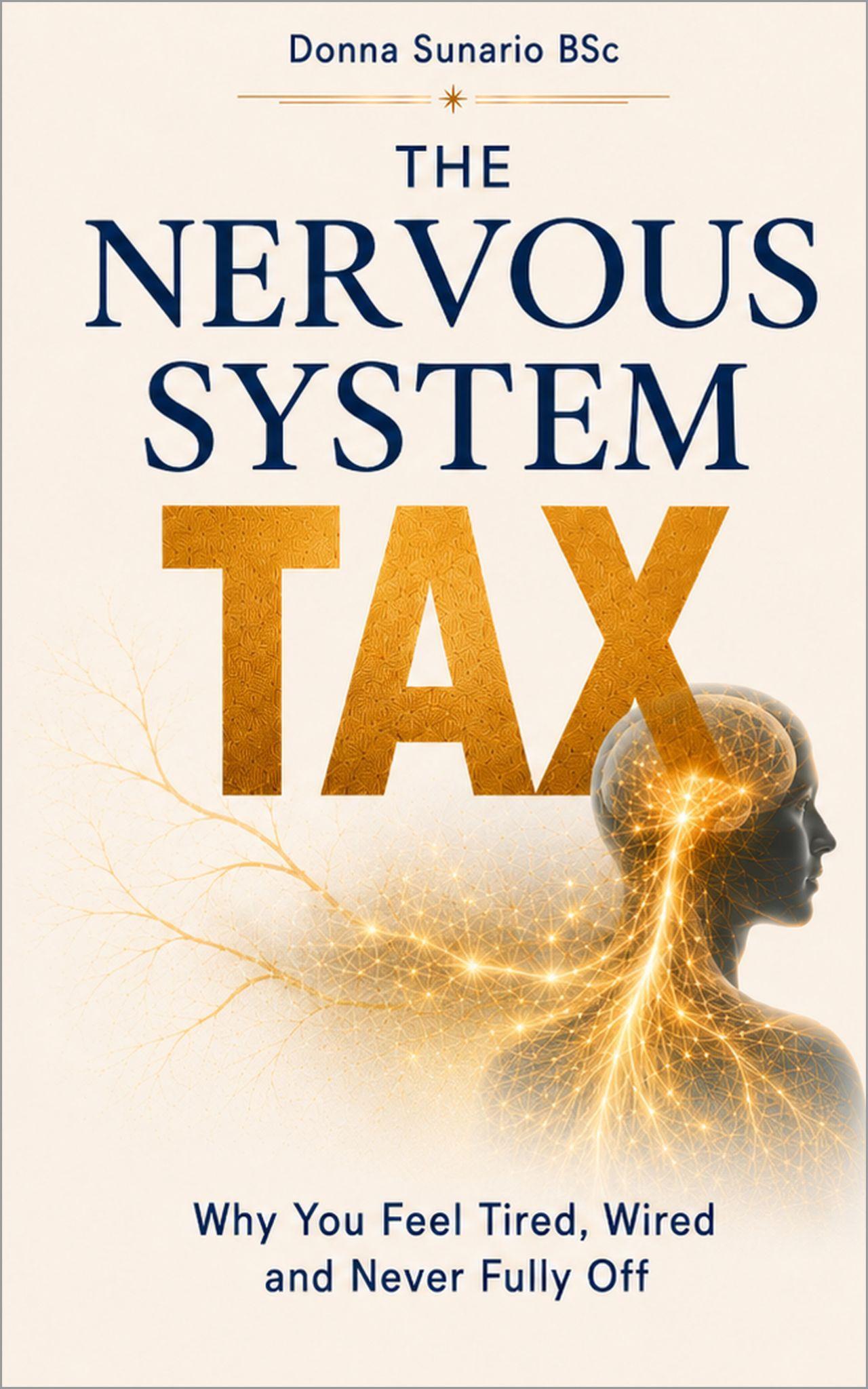
The Nervous System Tax
Why You Feel Tired, Wired and Never Fully Off
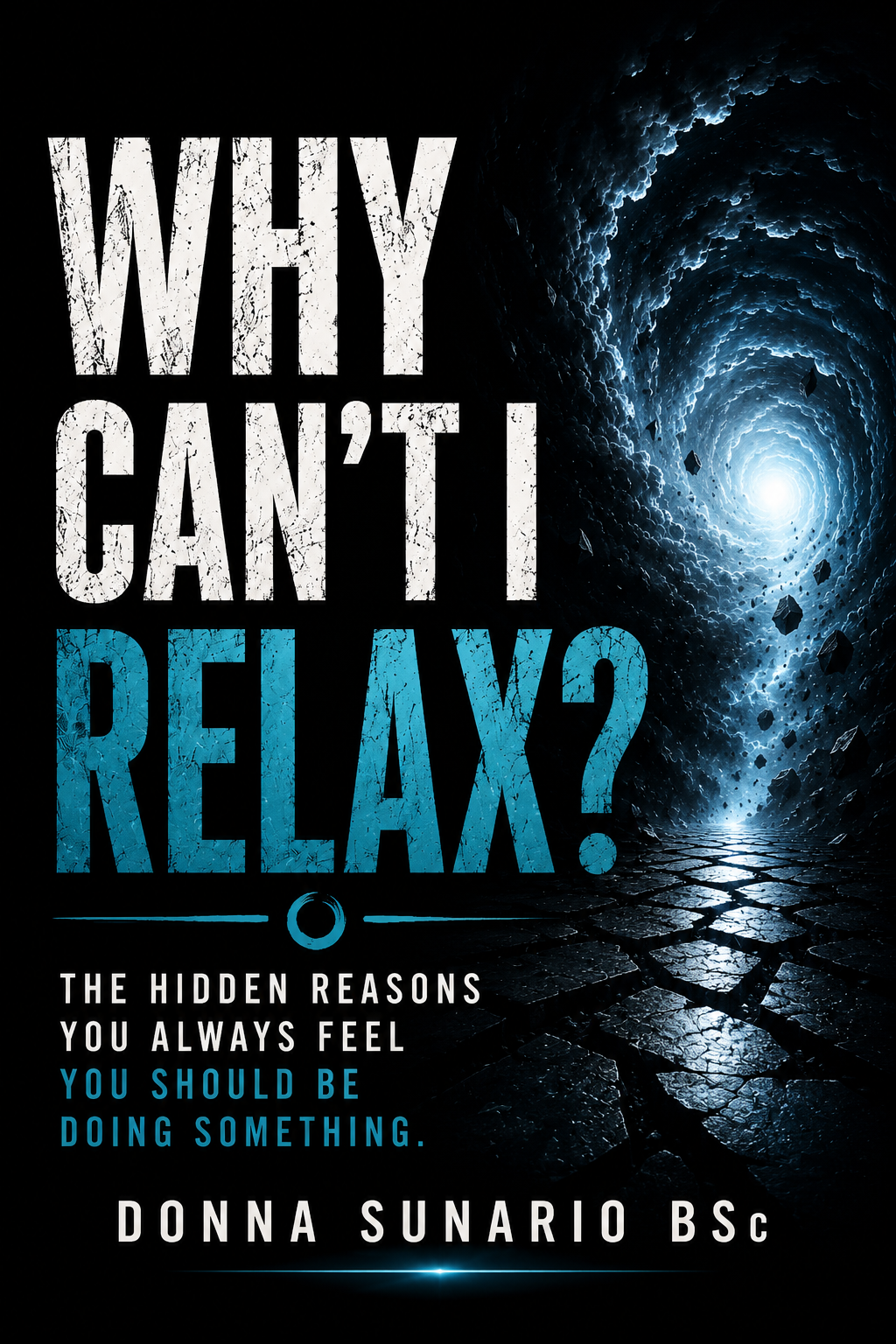
Why Can't I Relax?
The Hidden Reasons You Always Feel You Should Be Doing Something

Red Flag Ready
Understand Manipulation, Gaslighting, Love Bombing and Coercive Control