Human Systems Design
The Recovery System
The design that decides whether rest actually restores you.
Definition
The Recovery System is the physiological, psychological and environmental architecture through which a person returns to baseline after effort or stress.
Summary
The Recovery System is what determines whether rest translates into restoration. When it works, effort is followed by genuine return to baseline. When it does not, a person accumulates load faster than they discharge it, and eventually burns down structures that were never actually being maintained.
What this page solves
This page is for readers who rest and stay tired, holiday and come back depleted, and cannot understand why.
In plain language
Recovery is not the same as time off. It is a system, and most high-functioning people do not have one; they have a pause and then more effort.
Why this system develops
Recovery systems atrophy in environments where rest is discouraged, guilt-inducing or unsafe. Over time the person forgets what genuine restoration feels like and learns to run on managed depletion. The nervous system loses fluency in the physiology of return.
What it looks like in everyday life
- You sleep and wake up tired.
- You take a holiday and cannot switch off.
- You feel guilty when you rest.
- You do not know what genuine restoration feels like.
- You crash on weekends and call it relaxation.
Common misconceptions
- Rest is the same as recovery. It is not.
- You are lazy. You are under-resourced.
- You will catch up on it. Depletion does not queue politely.
Practical redesign points
- Distinguish rest, recovery and avoidance in your week.
- Build a daily discharge practice, not just a weekly one.
- Reduce the number of open loops your nervous system is holding.
- Notice which forms of rest actually restore you and stop performing the rest of them.
Short diagnostic
- When did you last feel unmistakably restored?
- What are you calling rest that is actually numbing?
- Which recoveries have you outsourced to sleep, alcohol or scrolling?
Questions readers ask
Why doesn't sleep make me feel rested?
Sleep discharges some load, but if the underlying system is chronically activated, sleep alone cannot bring the body back to baseline. Recovery is architectural, not incidental.
What is the difference between rest and recovery?
Rest is the absence of effort. Recovery is the active physiological return to baseline. A person can rest without recovering and recover without resting.
How do you rebuild a recovery system?
By making discharge routine rather than emergency, distinguishing genuine restoration from numbing, and lowering the ambient load the nervous system is being asked to carry.
Books that map this system
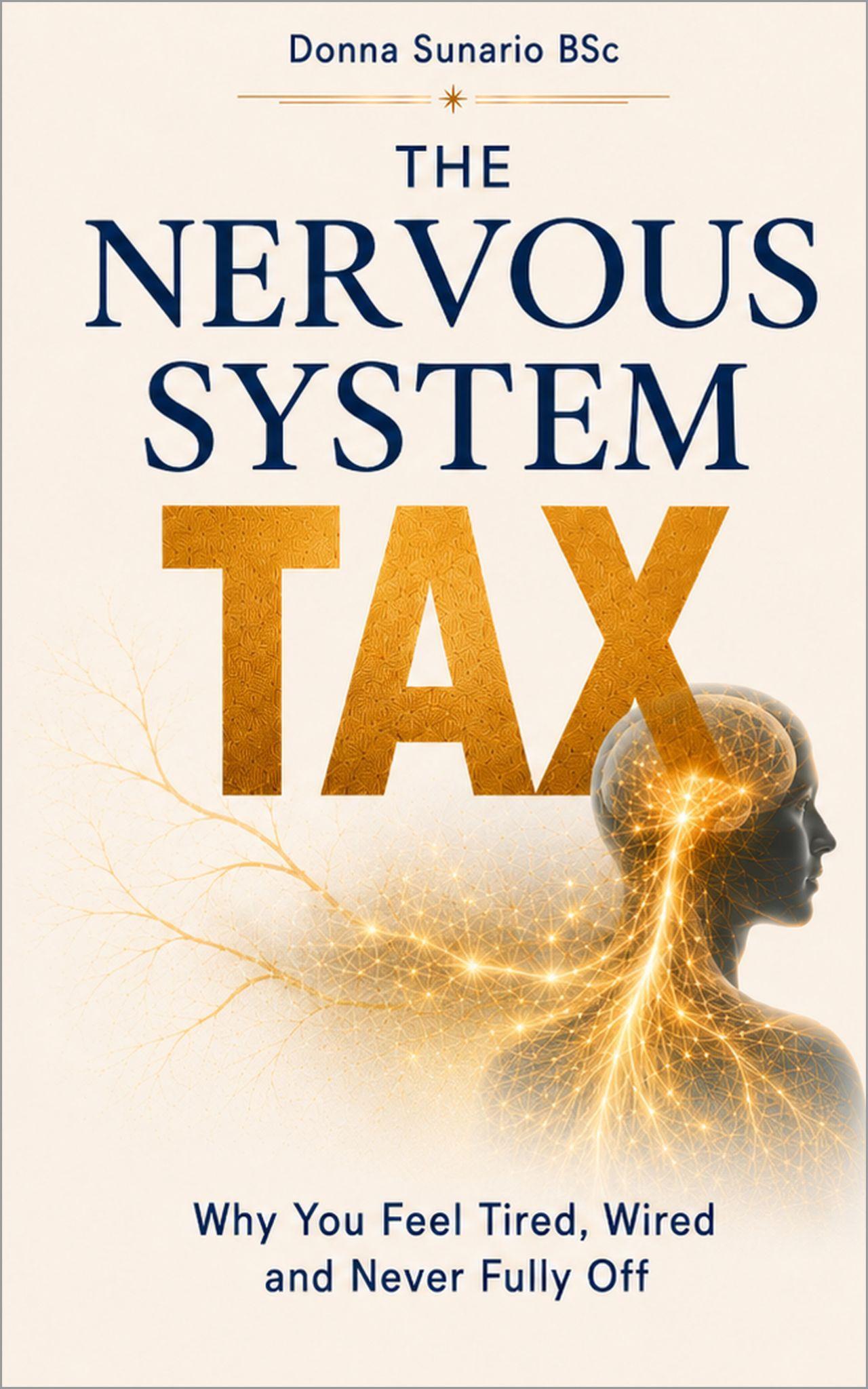
The Nervous System Tax
Why You Feel Tired, Wired and Never Fully Off
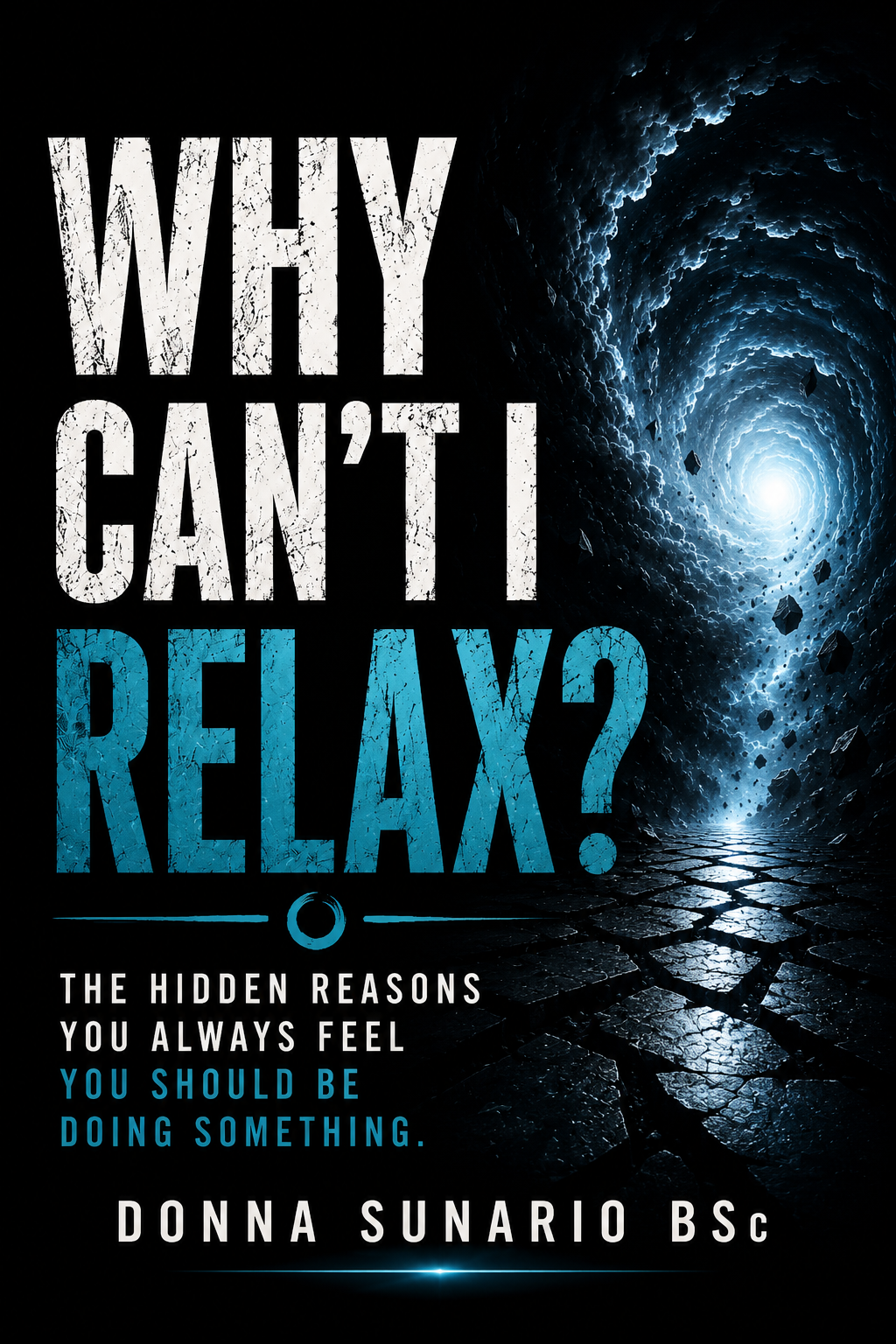
Why Can't I Relax?
The Hidden Reasons You Always Feel You Should Be Doing Something
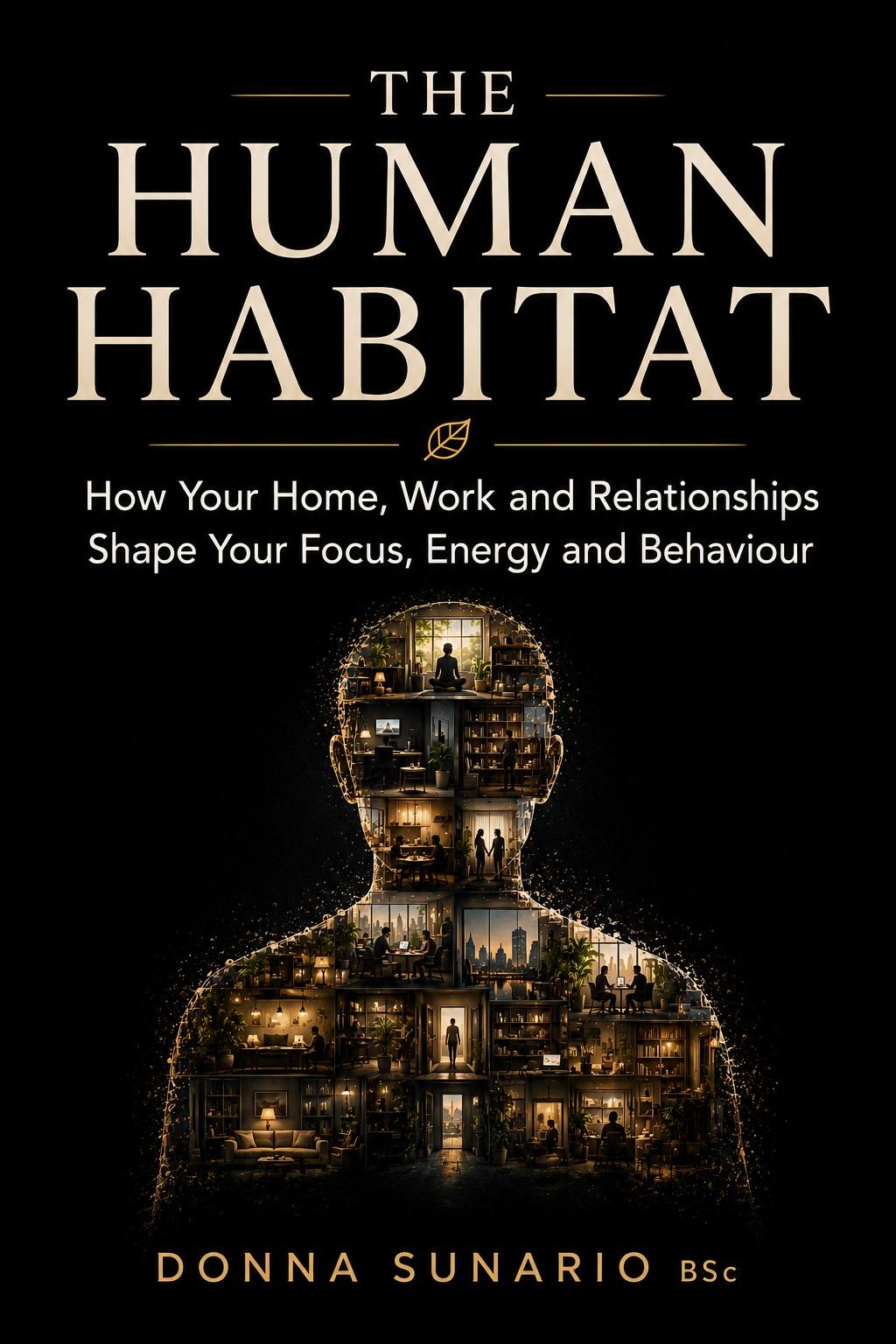
The Human Habitat
How Your Home, Work and Relationships Shape Your Focus, Energy and Behaviour