


Books by Donna Sunario BSc

    Which book is for you?

    Start with what hurts. Choose the book that helps.

    You do not need another book telling you to try harder.

    You may already be trying hard. You may be functioning, working, caring, earning, producing and holding yourself together while something inside you feels tired, numb, unsafe, over-responsible or quietly worn down.

    Use this page to find the book that names what you are carrying and helps you begin changing the pattern.

    The lens

    What is human systems design?

    Human systems design is a practical way of understanding why people get stuck.

    It looks at the whole human system, including your thoughts, nervous system, habits, relationships, work, environment, identity and emotional history.

    Instead of asking, “What is wrong with me?” it asks, “What system has trained this response, and what needs to change so life becomes easier to live?”

    Donna's books use this approach to help you name the pattern, understand the cost, and rebuild the conditions that support steadiness, clarity and self-respect.

    For readers who feel

    I look fine, but I'm exhausted.

    You may be functioning, performing and holding everything together, but your inner system is tired. These books help you understand the cost of pressure, overfunctioning and constant readiness.

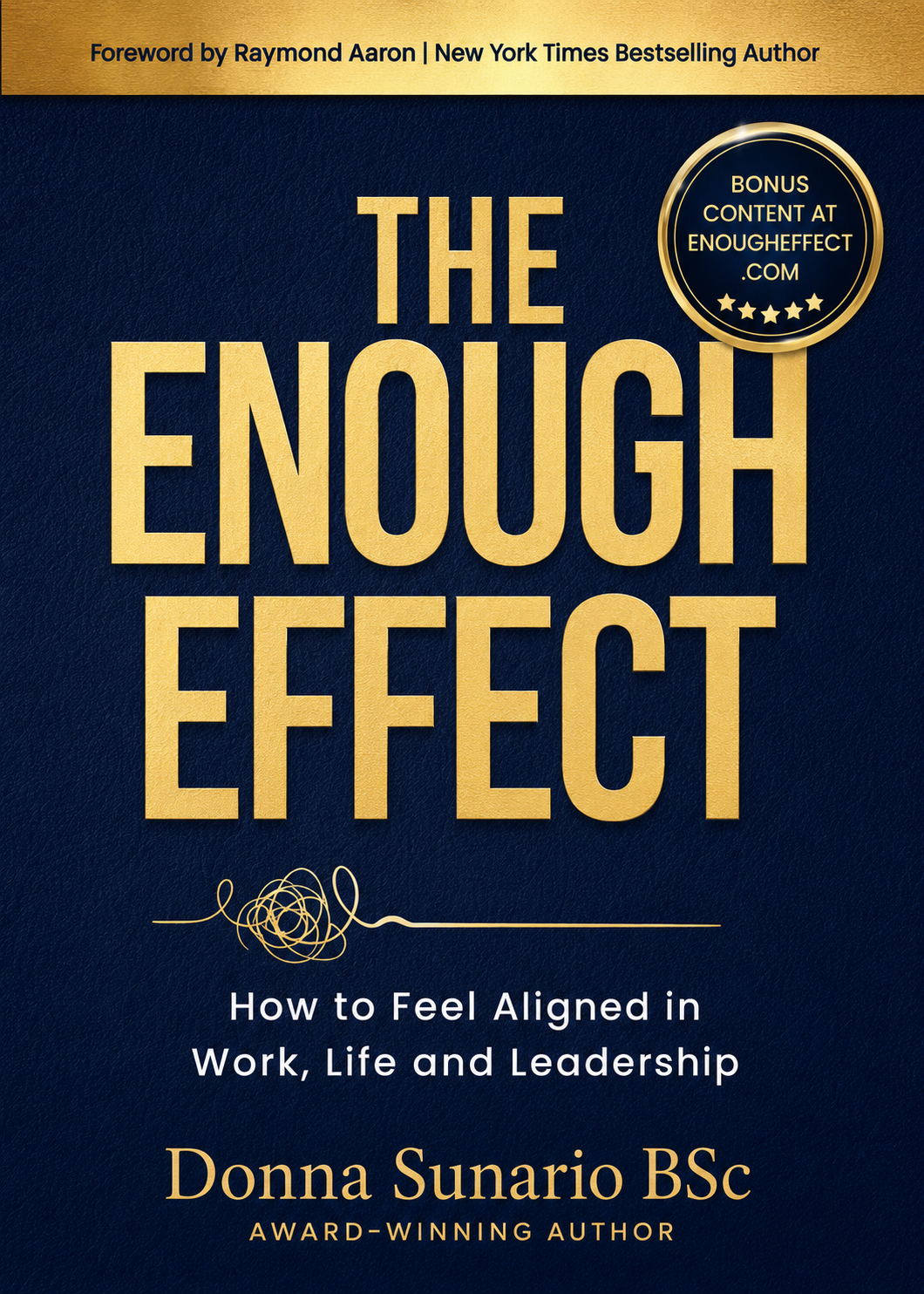
    • The Enough Effect by Donna Sunario BSc, front cover

      The Enough Effect

      How to Feel Aligned in Work, Life and Leadership

      You look capable, but inside you feel stretched, tired or quietly detached.

      For people caught in proving, pleasing and overfunctioning. This book helps you rebuild clarity, self-trust and steadier inner leadership.

      Best for you if: You keep achieving, but still do not feel enough inside.

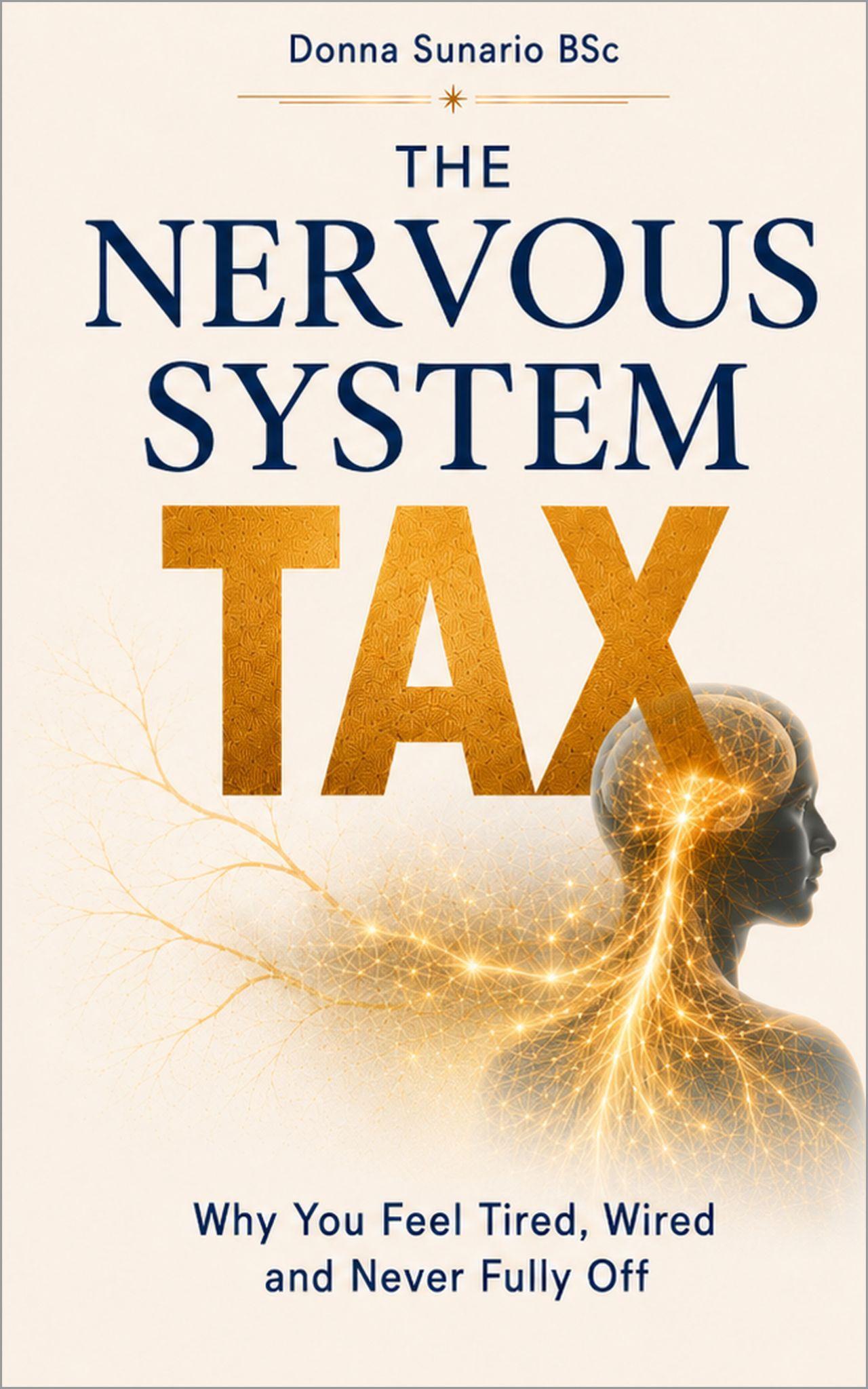
    • The Nervous System Tax by Donna Sunario BSc, front cover

      The Nervous System Tax

      Why You Feel Tired, Wired and Never Fully Off

      You are still functioning, but your body is paying for it.

      For productive, responsible people who are exhausted by sustained pressure. This book reframes burnout as a system load problem, not a personal failure.

      Best for you if: Your body feels tired even when your life looks under control.

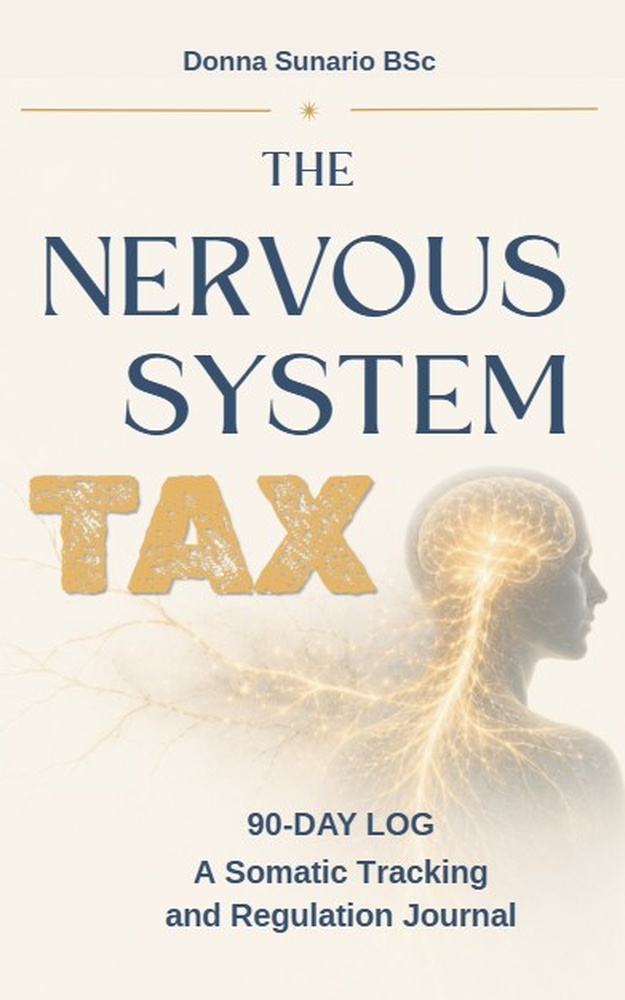
    • The Nervous System Tax 90-Day Log by Donna Sunario BSc, front cover

      The Nervous System Tax 90-Day Log

      A Somatic Tracking and Regulation Journal

      You are tired but wired, and you cannot see what is draining you.

      A ninety day log that makes activation, cost and recovery visible, so exhaustion becomes a pattern you can read and change.

      Best for you if: You want daily evidence of what your nervous system is actually paying for.

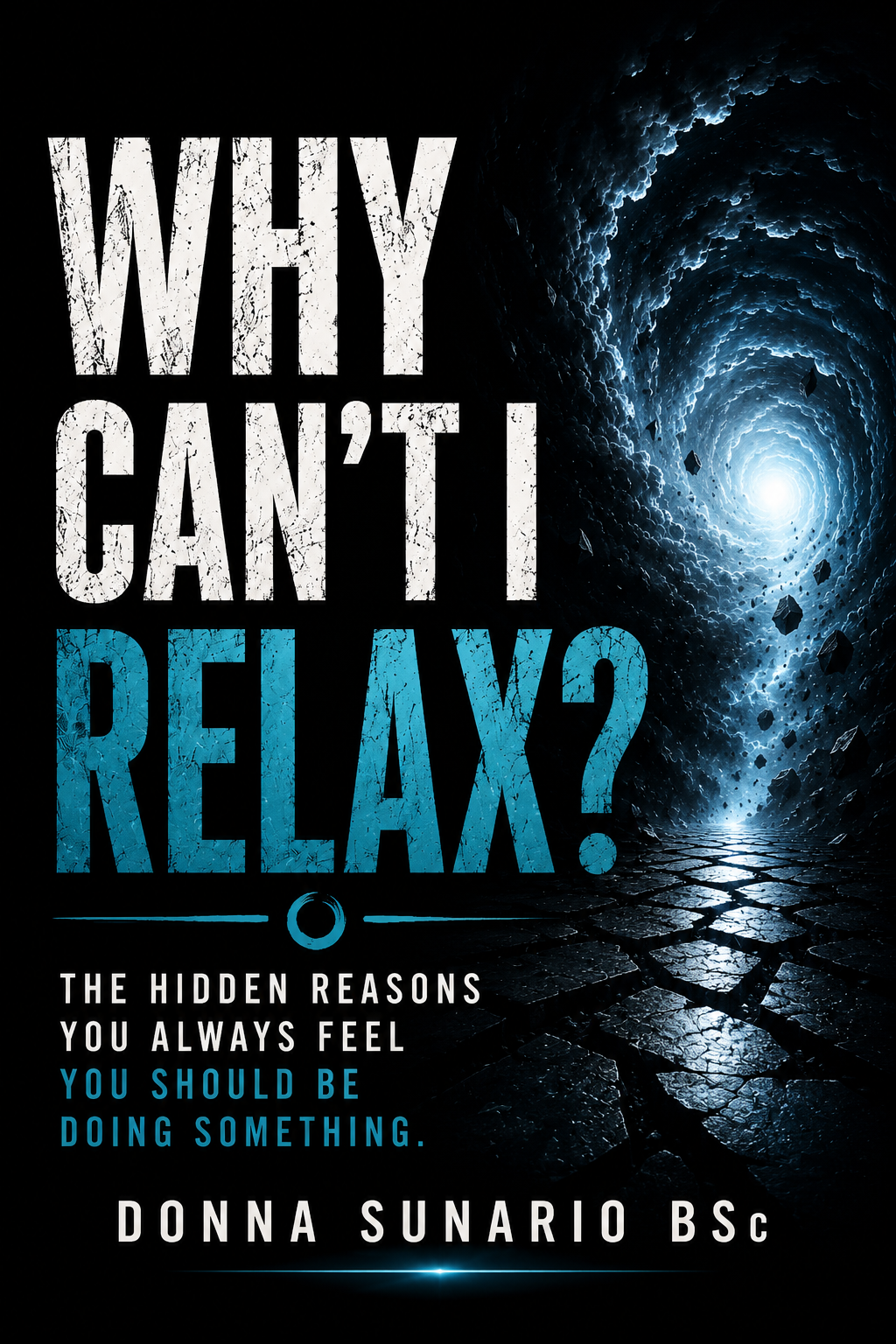
    • Why Can't I Relax? by Donna Sunario BSc, front cover

      Why Can't I Relax?

      The Hidden Reasons You Always Feel You Should Be Doing Something

      You finally stop, but your body still will not stand down.

      For people whose nervous systems stay alert even when there is no genuine threat. This book explains why rest can feel unsafe and how to rebuild capacity for ease.

      Best for you if: You can stop working, but you cannot switch off.

    For readers who feel

    My life looks full, but I feel empty.

    You may have built a life that looks successful from the outside, but inside you feel flat, distant or numb. This book helps you understand emotional shutdown and begin finding your way back to feeling.

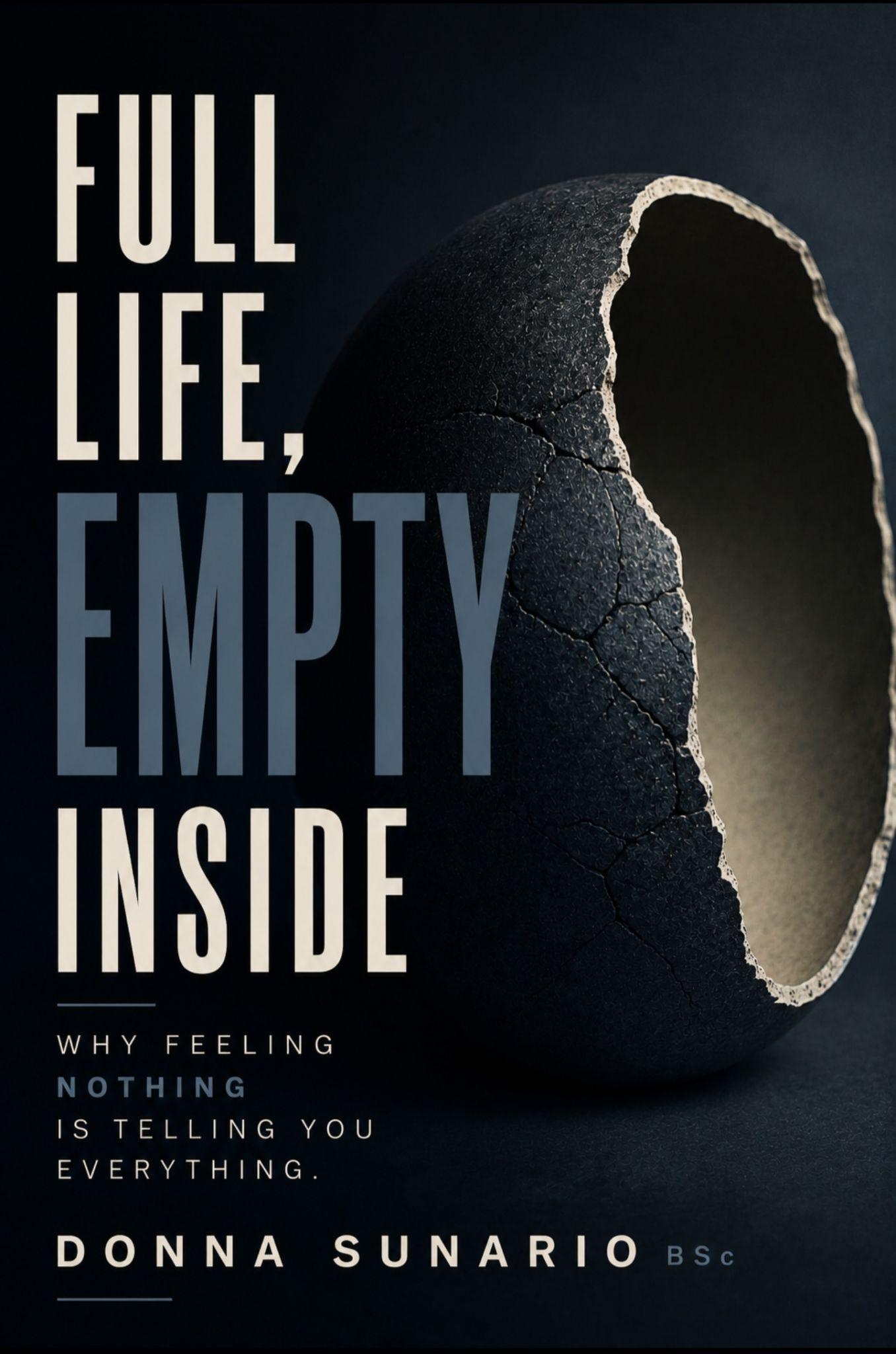
    • Full Life, Empty Inside by Donna Sunario BSc, front cover

      Full Life, Empty Inside

      Why Feeling Nothing is Telling You Everything

      Your life looks full from the outside, but inside you feel flat, distant or numb.

      For high functioning people who have built a life that looks successful but no longer feels emotionally alive from within.

      Best for you if: You have the life you thought you wanted, but something still feels missing.

    For readers who feel

    I keep putting myself last.

    You may be the reliable one, the strong one, the one who copes. These books help you see when care, independence and responsibility have turned into self-abandonment.

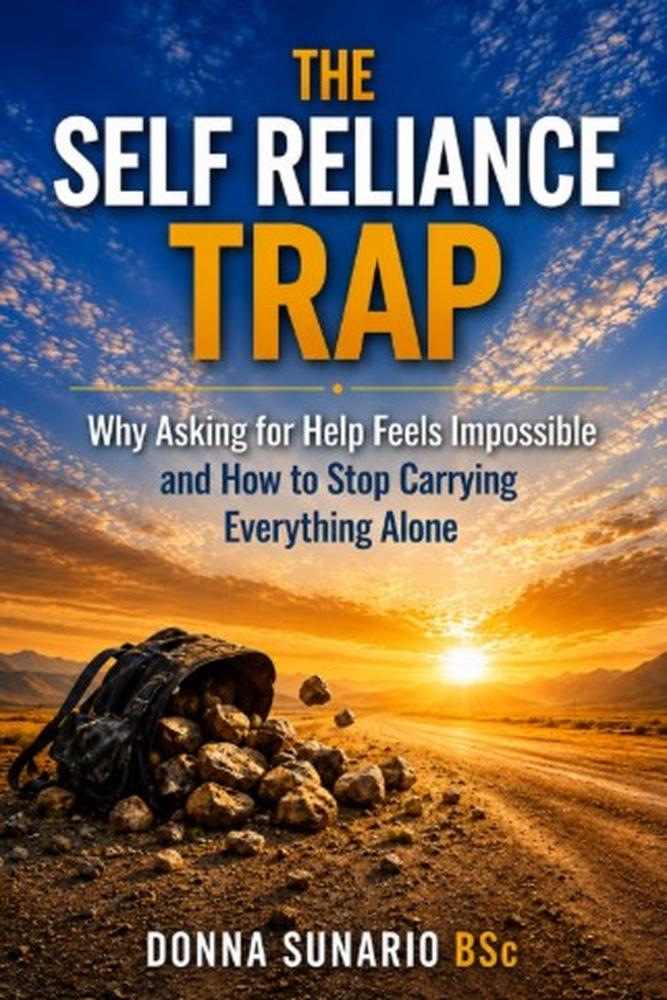
    • The Self-Reliance Trap by Donna Sunario BSc, front cover

      The Self-Reliance Trap

      How to Stop Doing Everything Yourself

      You are independent because relying on others has not always felt safe.

      For self-sufficient people who carry too much alone and need to understand why solo resilience eventually breaks.

      Best for you if: You find it easier to cope alone than to let anyone help.

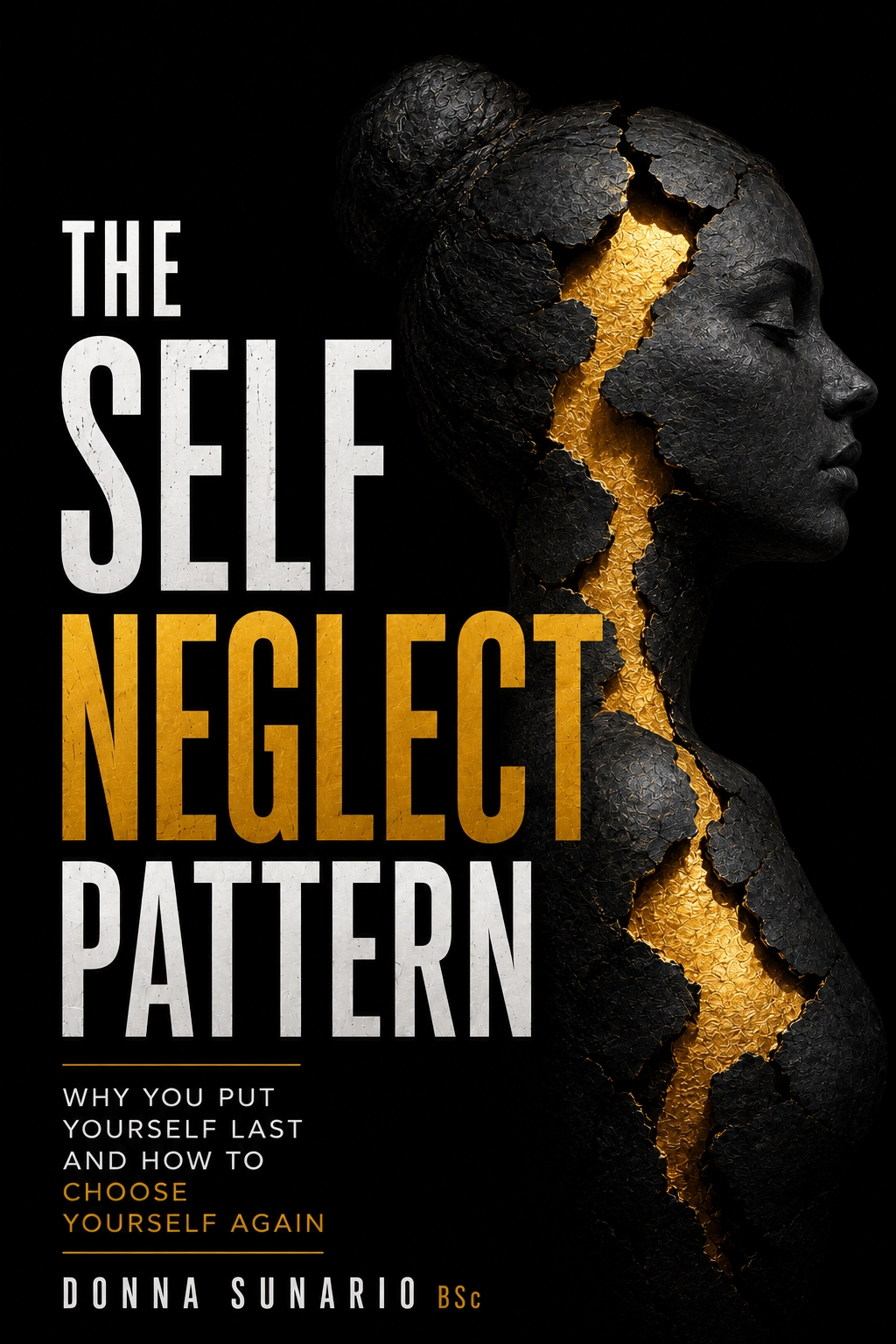
    • The Self Neglect Pattern by Donna Sunario BSc, front cover

      The Self Neglect Pattern

      Why You Put Yourself Last and How to Choose Yourself Again

      Everyone else's needs register before your own.

      See how self neglect became automatic, what it is costing you and how to choose yourself again without guilt.

      Best for you if: You take care of everything except yourself.

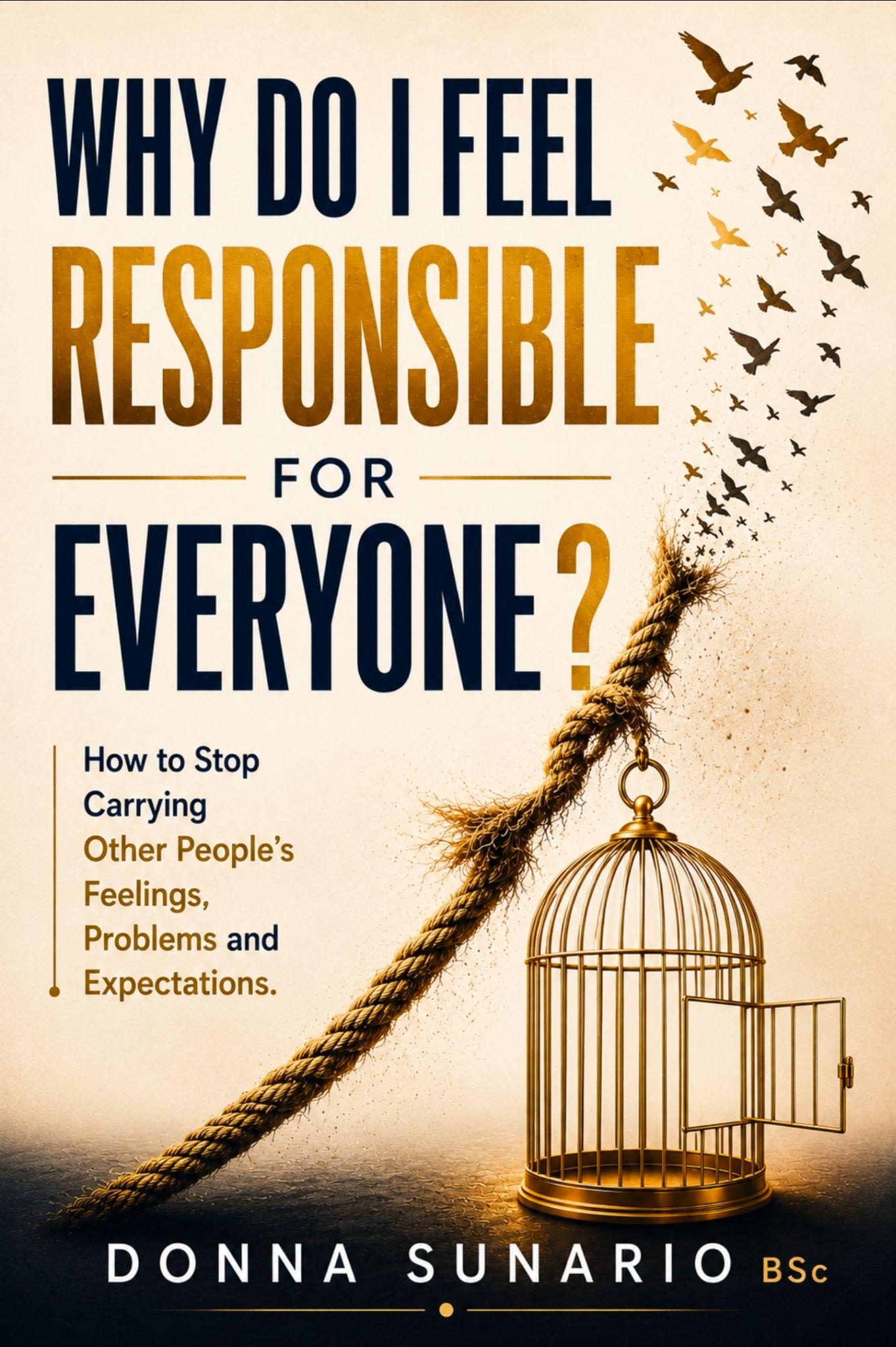
    • Why Do I Feel Responsible for Everyone? by Donna Sunario BSc, front cover

      Why Do I Feel Responsible for Everyone?

      How to Stop Carrying Other People's Feelings, Problems and Expectations

      You feel answerable for how everyone around you is doing.

      Understand how over responsibility formed, what it costs and how to care for people without carrying them.

      Best for you if: You feel guilty the moment you put yourself first.

    Not sure where to start?

    Choose the line that sounds most like you.

    For readers who feel

    Work is changing and I need to protect my future.

    You may be wondering how to stay valuable in a changing economy. These books help you identify the human judgement, perspective and commercial awareness that still matter in an AI-shaped world.

    • Paid to Be You by Donna Sunario BSc, front cover

      Paid to Be You

      The Career and Financial Plan AI Cannot Replace

      You are good at what you do, but you are worried your value is becoming harder to protect.

      A career and financial resilience book for professionals who want to build value around judgement, perspective, lived experience and commercial sense that AI cannot easily copy.

      Best for you if: You want to protect your earning power in a changing economy.

    • White Collar Jobs by Donna Sunario BSc, front cover

      White Collar Jobs

      How to Protect Your Judgement, Income and Authority in the Age of AI

      Work is changing, and speed, knowledge and output are no longer enough on their own.

      A practical guide for knowledge workers, managers and executives who want to protect their relevance in an AI-disrupted economy.

      Best for you if: You want to stay valuable when AI is changing the workplace.

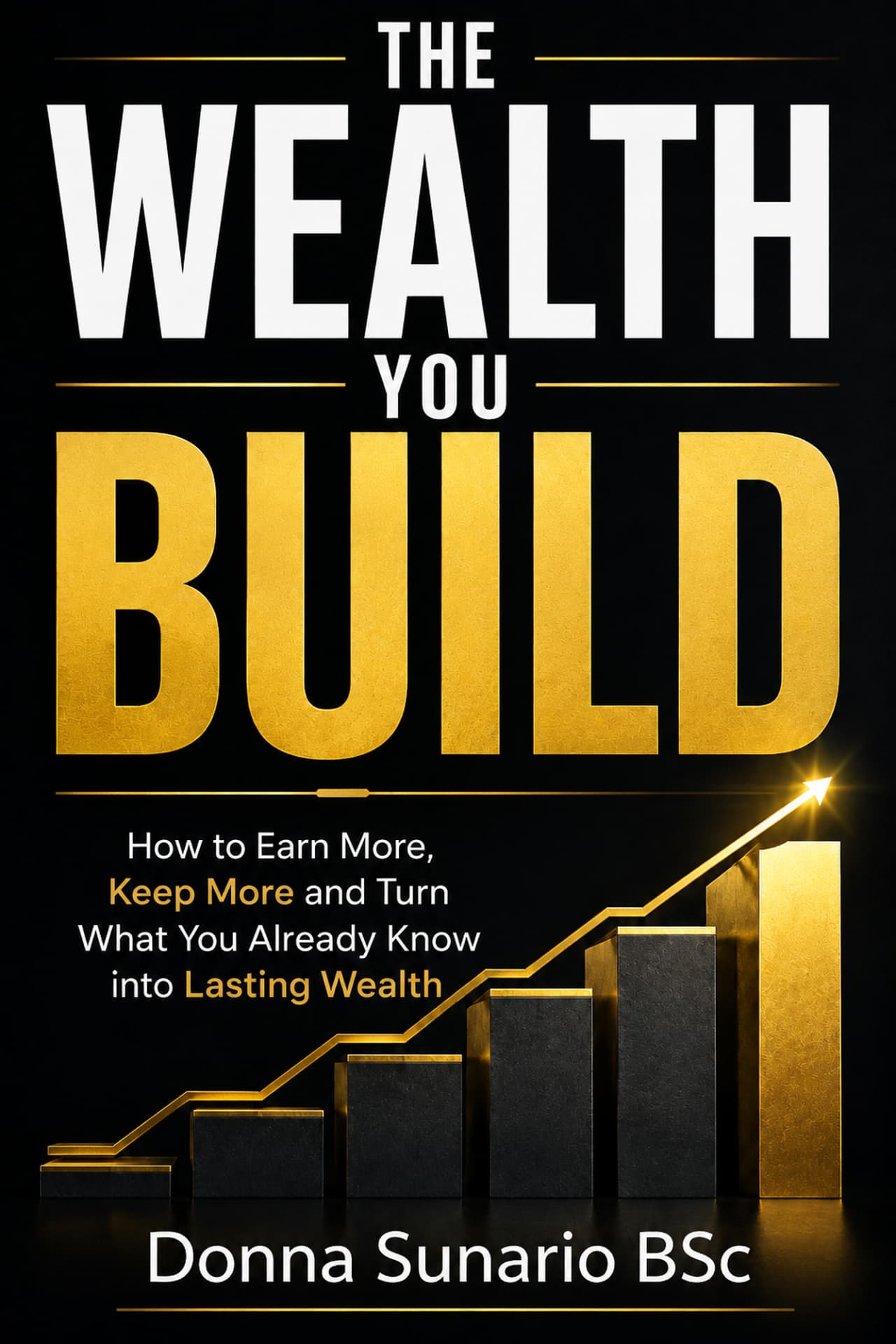
    • The Wealth You Build by Donna Sunario BSc, front cover

      The Wealth You Build

      How to Earn More, Keep More and Turn What You Already Know into Lasting Wealth

      You earn well and still feel one setback from trouble.

      Earn more from the expertise you already have, keep more of it and build assets that keep paying.

      Best for you if: You want your knowledge to work as hard as you do.

    For readers who feel

    Someone has made me doubt myself.

    You may be dealing with someone who confuses you, drains you, manipulates you or keeps taking up space in your mind. These books help you see the pattern clearly and stay steady around difficult behaviour.

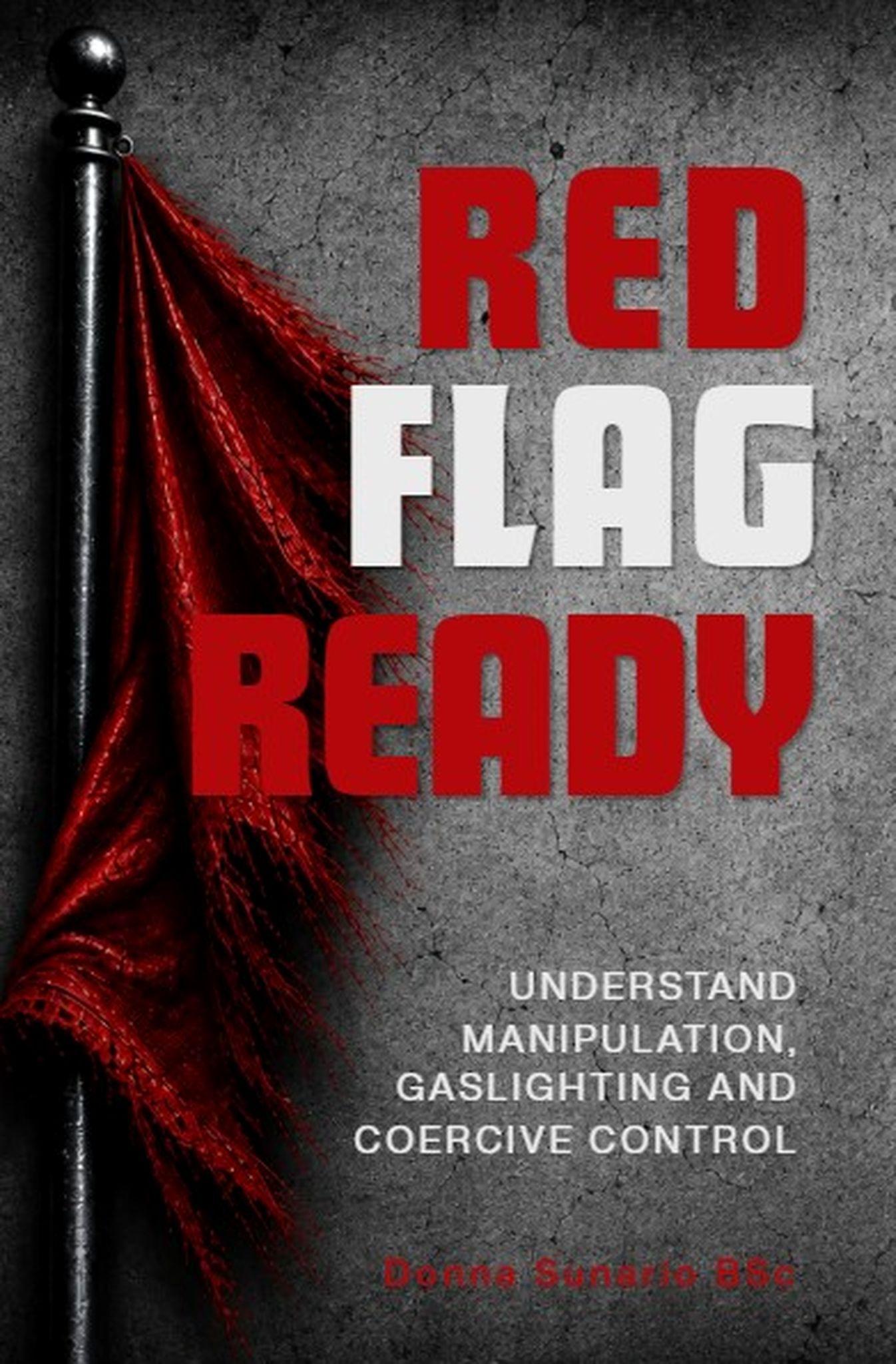
    • Red Flag Ready by Donna Sunario BSc, front cover

      Red Flag Ready

      Understand Manipulation, Gaslighting, Love Bombing and Coercive Control

      You keep wondering whether you are overreacting or whether something really is wrong.

      A clear guide to recognising manipulation, gaslighting, love bombing, coercive control and emotional pressure before they become normalised.

      Best for you if: Someone's behaviour has made you question your own judgement.

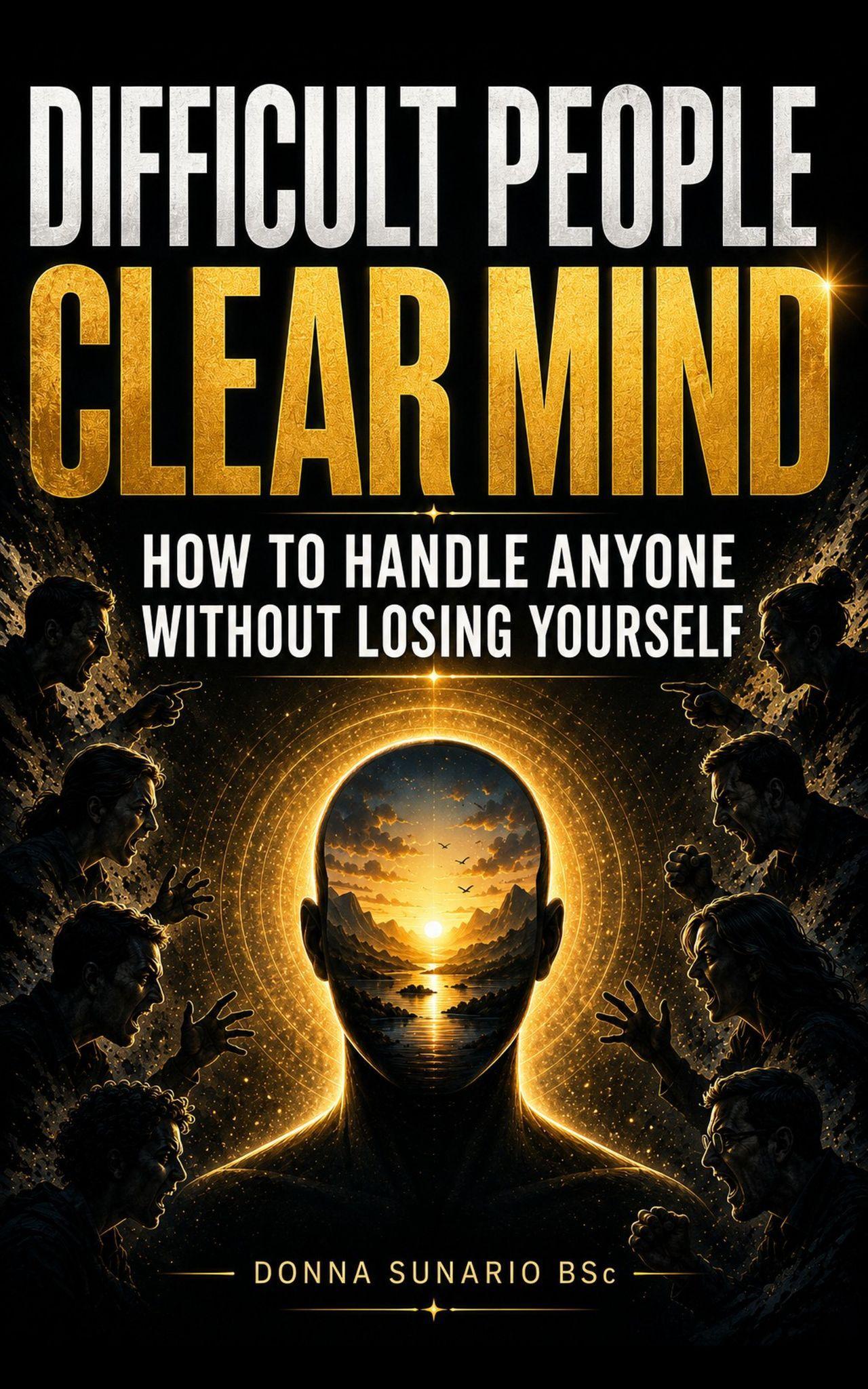
    • Difficult People Clear Mind by Donna Sunario BSc, front cover

      Difficult People Clear Mind

      How to Handle Anyone Without Losing Yourself

      Someone difficult keeps taking up space in your head.

      A practical book for staying clear, steady and self-respecting around difficult people, without becoming reactive or losing yourself in their behaviour.

      Best for you if: You want to stop letting difficult people control your mood, mind and reactions.

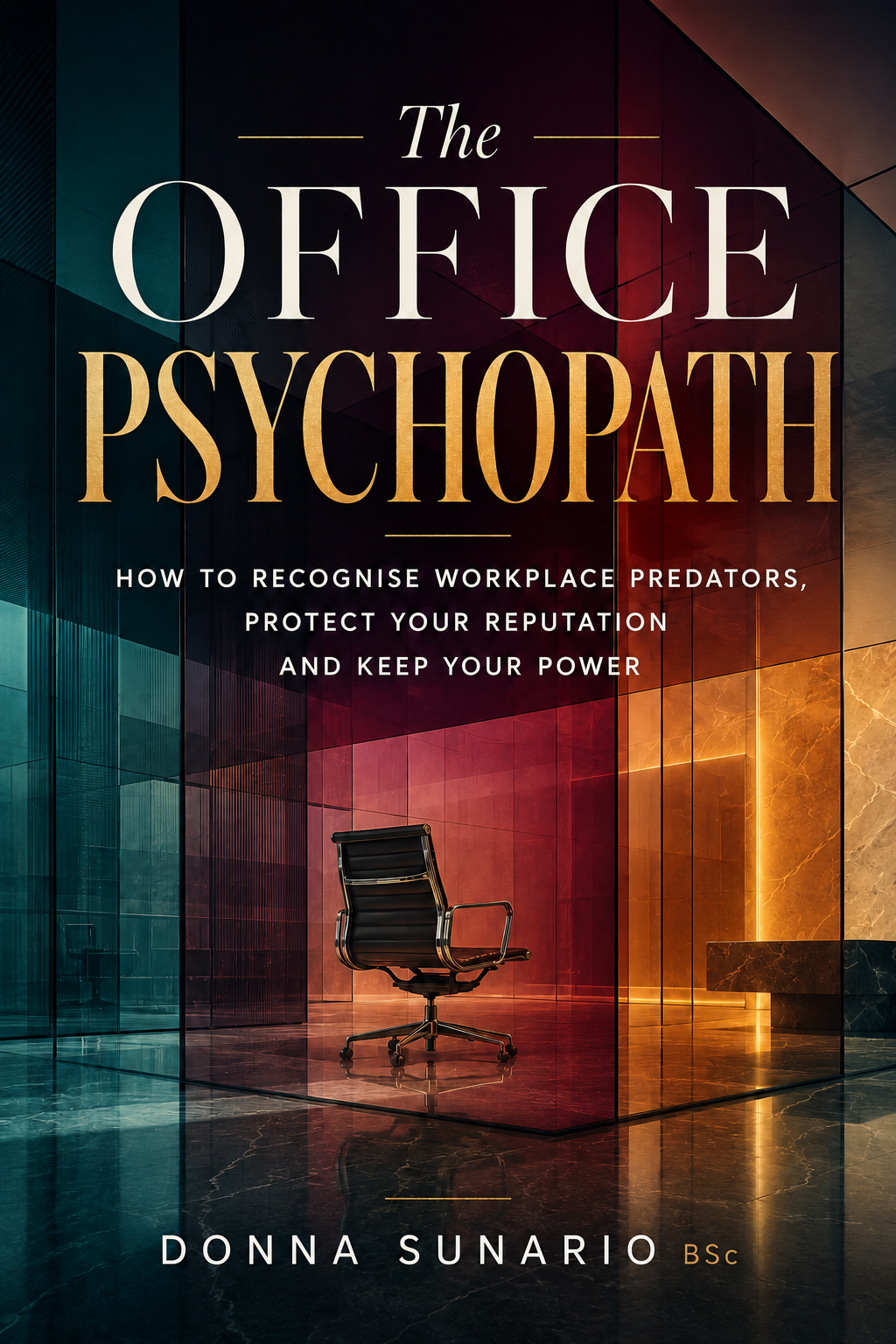
    • The Office Psychopath by Donna Sunario BSc, front cover

      The Office Psychopath

      How to Recognise Workplace Predators, Protect Your Reputation and Keep Your Power

      One person at work leaves you doubting your own judgement.

      Recognise workplace predators early, protect your reputation and keep your power without becoming what you are dealing with.

      Best for you if: You dread one particular person at work and cannot prove why.

    For readers who feel

    My mind will not stop.

    You may be tired of replaying conversations, predicting problems, second-guessing yourself and living in mental loops. This journal helps you interrupt overthinking and build a steadier daily practice over 90 days.

    • The 90 Day Overthinking Reset Journal by Donna Sunario BSc, front cover

      The 90 Day Overthinking Reset Journal

      A Guided Practice for a Quieter Mind and a Steadier Life

      Your mind keeps replaying, rehearsing, predicting and second-guessing.

      A practical 90-day journal for interrupting overthinking loops, clearing mental noise and building steadier daily self-trust.

      Best for you if: You want a daily practice that helps you get out of your head and back into your life.

    For readers who feel

    My environment is wearing me down.

    You may be blaming yourself for feeling distracted, tense or depleted when your surroundings are quietly shaping your mood, focus and behaviour. This book helps you design conditions that support calm, clarity and self-respect.

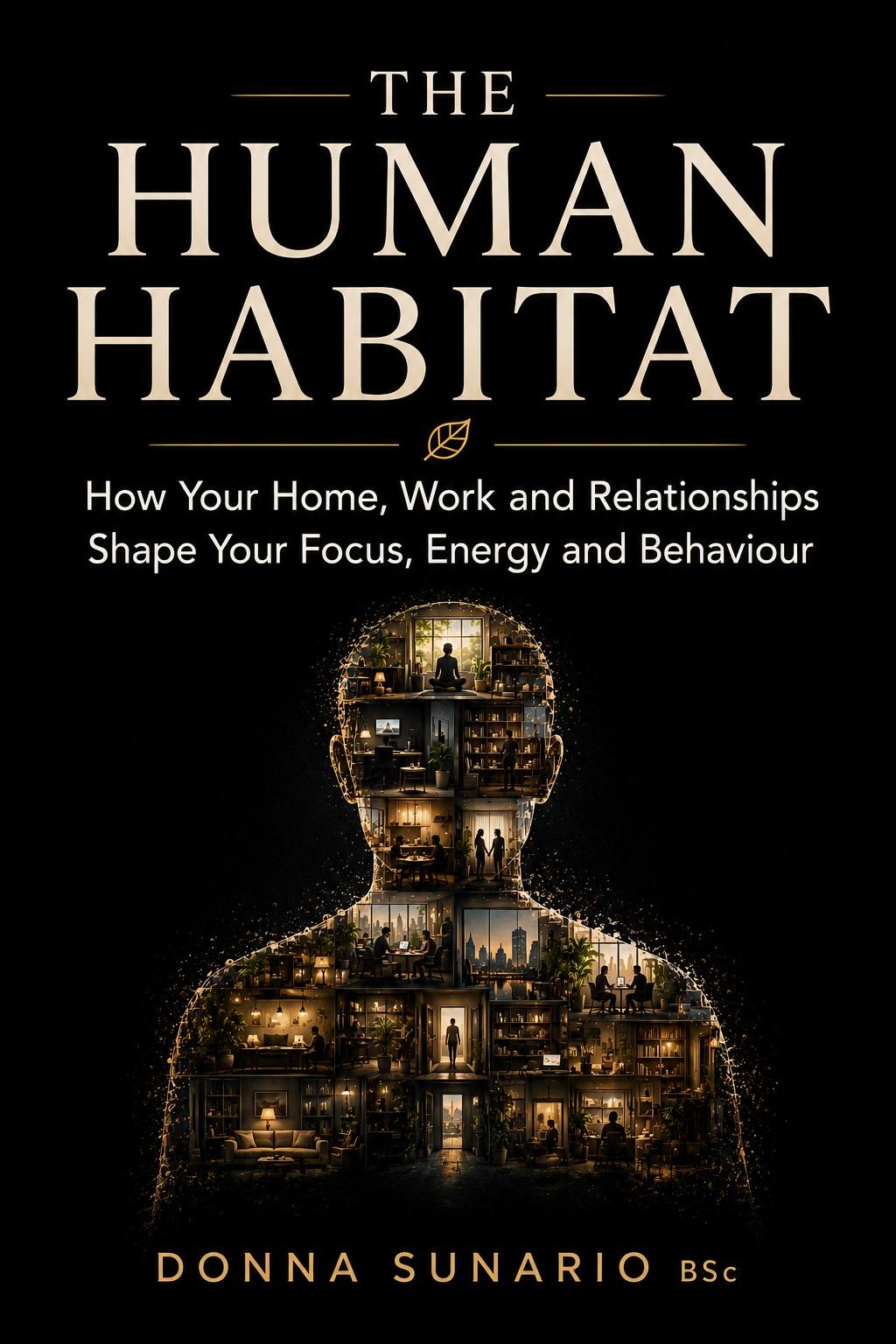
    • The Human Habitat by Donna Sunario BSc, front cover

      The Human Habitat

      How Your Home, Work and Relationships Shape Your Focus, Energy and Behaviour

      You may be blaming yourself when your environment is quietly working against you.

      A book about how physical space, digital noise, social climate, clutter, pace and relational atmosphere shape attention, mood and behaviour.

      Best for you if: You want your surroundings to support your calm, focus and self-respect.

    The complete library

    Every published book, in full detail

    Structured summaries, reader symptoms, what each book solves and explains, questions readers ask, and a live Amazon link for every title.

    Human Systems Design · System: Identity

    The Enough Effect

    How to Feel Aligned in Work, Life and Leadership

    For capable people who look composed on the outside while feeling stretched, tired or quietly detached inside. Explores the hidden cost of proving, pleasing and overfunctioning, guiding the reader back to clarity, self-trust and steadier leadership.

    Structured summary

    The Enough Effect examines why high-achieving people keep striving without ever feeling they have arrived. It maps the invisible architecture of self-worth, the pull of comparison and the physiological state of sufficiency. It offers a grounded route back to inner alignment, so work, leadership and life can be lived from steadiness rather than proving.

    This book is for you if

    • ·You keep achieving but still feel not enough
    • ·You are the reliable one and quietly exhausted
    • ·You perform well and feel privately empty

    This book solves

    • ·Chronic self-doubt beneath external success
    • ·Performance-based identity
    • ·The inability to feel finished

    This book explains

    • ·The neuroscience of enoughness
    • ·Why proving becomes a nervous system habit
    • ·How comparison rewires self-worth

    This book helps you

    • ·Recognise the pattern of overfunctioning
    • ·Rebuild self-trust and steady leadership
    • ·Live from sufficiency rather than scarcity

    Reader symptoms

    • You achieve, but still feel not enough
    • You over-function to feel safe
    • You struggle to rest without guilt
    • You compare yourself constantly
    • You feel quietly detached from your own life
    • You perform well but feel privately tired
    • You cannot enjoy what you have built

    Keywords

    • why do I never feel enough
    • high achiever burnout
    • self worth
    • overfunctioning
    • alignment in work and life
    • imposter syndrome
    • sustainable performance

    Reader identity: High performers who look fine and feel stretched inside

    Questions readers ask

    What is The Enough Effect about?
    It explains why capable people keep striving without ever feeling enough, and how to rebuild self-worth from the inside.
    Who is this book for?
    High performers, leaders and professionals who function well on the outside but feel privately stretched.
    Is this a self-help book?
    No. It is a grounded psychological book with practical steps rather than affirmations.
    Will it help with imposter feelings?
    Yes. It reframes imposter feelings as a nervous system pattern, not a character flaw.
    Does it cover burnout?
    It addresses the identity-level drivers of burnout, especially overfunctioning and proving.
    How is it different from other self-worth books?
    It treats self-worth as a physiological state, not a belief you affirm.
    Do I need therapy background to read it?
    No. It uses plain language and does not require prior knowledge.
    What is Human Systems Design?
    A practical way of understanding people as whole systems: thoughts, body, environment, identity and relationships together.
    Is it evidence based?
    It draws on neuroscience, behavioural psychology and lived professional experience.
    How long does it take to read?
    It is designed for busy readers and can be read in short sittings.
    Will it help me at work?
    Yes. It supports steadier leadership and better decision-making under pressure.
    Where can I buy it?
    It is available on Amazon in paperback and Kindle.

    Human Systems Design · System: Adaptation

    Paid to Be You

    The Career and Financial Plan AI Cannot Replace

    Helps professionals identify the judgement, perspective and lived experience AI cannot copy. Turns personal identity into practical authority so readers stop competing on output alone.

    Structured summary

    Paid to Be You is a career and financial resilience book for mid-career professionals navigating AI disruption. It shows why the future belongs to people who understand their own judgement, context and commercial value, not those with the fastest output. It combines the ALIGN Method with practical financial architecture to build a career rooted in who you are.

    This book is for you if

    • ·You are worried AI will replace your role
    • ·You want to build a career around who you are
    • ·You need career and financial resilience together

    This book solves

    • ·Career anxiety in an AI-shaped economy
    • ·Competing on output instead of authority
    • ·Financial fragility during transitions

    This book explains

    • ·What AI still cannot do
    • ·How judgement and lived experience become authority
    • ·How to design an income plan around who you are

    This book helps you

    • ·Identify your irreplaceable capabilities
    • ·Build career authority beyond tasks
    • ·Create a financial bridge to aligned work

    Reader symptoms

    • You worry AI will erode your role
    • You feel replaceable at work
    • You compete on speed and output
    • You are unsure what makes you distinct
    • You want a plan, not motivation
    • You need income resilience

    Keywords

    • career strategy AI
    • future proof career
    • irreplaceable at work
    • ALIGN method
    • career and financial planning
    • human skills AI cannot replace

    Reader identity: Mid-career professionals protecting income and identity in the age of AI

    Questions readers ask

    What is Paid to Be You about?
    Building a career and income around the judgement and identity AI cannot replicate.
    Who is it for?
    Professionals, executives and career changers navigating AI disruption.
    What is the ALIGN Method?
    A five-stage framework combining neuroscience, embodied decision-making and financial architecture.
    Will AI really replace my job?
    Parts of it, yes. The book maps what stays valuable and how to protect it.
    Is this a technical AI book?
    No. It is about human capability, career strategy and money.
    Does it help with career pivots?
    Yes. It gives a structured route from current role to aligned work.
    Is there a financial plan inside?
    Yes. Practical financial architecture is a core pillar.
    What if I already have a good job?
    The book helps you protect it and future-proof your standing.
    How does it differ from generic career books?
    It integrates neuroscience, identity and money, not just tactics.
    Do I need to be senior to benefit?
    No. Mid-career professionals get the most, but early-career readers benefit too.
    Where can I buy it?
    It is available on Amazon in paperback and Kindle.

    Human Systems Design · System: Safety

    Red Flag Ready

    Understand Manipulation, Gaslighting, Love Bombing and Coercive Control

    Helps readers recognise manipulation before it becomes normalised. Explains gaslighting, love bombing, coercive control and emotional pressure, rebuilding pattern recognition and self-trust.

    Structured summary

    Red Flag Ready uses forensic psychology to explain why intelligent people miss the signs of manipulation. It maps gaslighting, love bombing, coercive control and emotional pressure in plain language. It gives readers the framework and confidence to trust what they are seeing before harm becomes the architecture of their life.

    This book is for you if

    • ·Someone's behaviour has made you doubt yourself
    • ·You want to protect people you love
    • ·You need language for what you are experiencing

    This book solves

    • ·Missing early signs of manipulation
    • ·Self-doubt around unsafe behaviour
    • ·Confusion after coercive dynamics

    This book explains

    • ·How gaslighting operates
    • ·Why love bombing is a warning, not a compliment
    • ·How coercive control forms invisibly

    This book helps you

    • ·Trust your perception
    • ·Recognise patterns early
    • ·Rebuild psychological safety

    Reader symptoms

    • You question your own perception
    • You feel confused after conversations
    • You defend someone else's behaviour
    • You feel unsafe but cannot explain why
    • You have been told you are too sensitive
    • You are recovering from a difficult relationship

    Keywords

    • gaslighting signs
    • coercive control
    • love bombing
    • manipulation in relationships
    • red flags
    • emotional abuse psychology
    • forensic psychology relationships

    Reader identity: Anyone in or recovering from manipulation, coercive control or emotional abuse

    Questions readers ask

    What is Red Flag Ready about?
    Recognising manipulation, gaslighting, love bombing and coercive control before they normalise.
    Is it about romantic relationships only?
    No. It covers family, work and friendship dynamics too.
    Will it help me if I am already out?
    Yes. It gives language and framework for what happened.
    Is it graphic or distressing?
    It is written with restraint and respects the reader's intelligence.
    What is coercive control?
    A pattern of behaviour designed to make you dependent, isolated and doubting yourself.
    What is love bombing?
    Overwhelming early attention that creates obligation and blurs your judgement.
    How do I know if I am being gaslit?
    The book gives clear diagnostic signs and language you can trust.
    Does it give practical steps?
    Yes. It gives protective frameworks and next steps.
    Is it a legal guide?
    No. It is psychological. Legal steps are outside its scope.
    Who wrote it?
    Donna Sunario BSc, with a background in forensic psychology and behavioural analysis.
    Where can I buy it?
    It is available on Amazon in paperback and Kindle.

    Human Systems Design · System: Adaptation

    White Collar Jobs

    How to Protect Your Judgement, Income and Authority in the Age of AI

    Shows why speed and knowledge are no longer enough. Points readers toward human capabilities that still carry value: judgement, context, risk awareness, ethical reasoning, people reading.

    Structured summary

    White Collar Jobs is a clear-eyed guide to protecting judgement, income and authority as AI reshapes knowledge work. It explains why competence is no longer a moat and which human capabilities still command a premium. It gives professionals a practical roadmap for staying valued, paid and respected.

    This book is for you if

    • ·You are a knowledge worker feeling the shift
    • ·You want to stay commercially valuable
    • ·You want authority, not just employment

    This book solves

    • ·Loss of standing in an AI-shaped workplace
    • ·Task-based relevance eroding
    • ·Uncertainty about what to double down on

    This book explains

    • ·Why competence is no longer a moat
    • ·Which capabilities still command a premium
    • ·How judgement compounds over time

    This book helps you

    • ·Protect your judgement and authority
    • ·Reposition your work around scarce human value
    • ·Sustain income through change

    Reader symptoms

    • You feel your role is eroding
    • You are anxious about AI at work
    • You are unsure what still makes you valuable
    • You compete on knowledge that is now free
    • You want to stay senior, not just employed

    Keywords

    • will AI replace white collar jobs
    • future of white collar work
    • protect career from AI
    • human judgement AI
    • knowledge worker AI disruption
    • AI proof career

    Reader identity: Lawyers, accountants, consultants, bankers, managers and knowledge workers

    Questions readers ask

    What is White Collar Jobs about?
    Protecting professional judgement, income and authority as AI reshapes knowledge work.
    Is it anti-AI?
    No. It is realistic about what AI does well and where humans still lead.
    Who is it for?
    Lawyers, consultants, accountants, managers and knowledge workers.
    Will my job be replaced?
    Parts of it, yes. The book shows which parts to protect and grow.
    What replaces speed and knowledge?
    Judgement, context, ethical reasoning, risk awareness and people reading.
    Does it give practical steps?
    Yes. It is a practical, evidence-led roadmap.
    Is it different from Paid to Be You?
    Yes. Paid to Be You focuses on identity and finances. This book focuses on professional authority.
    Do I need seniority to apply it?
    No. It works at any level, and helps you grow into seniority.
    Is it UK focused?
    It is written in British English but applies to global knowledge work.
    Where can I buy it?
    It is available on Amazon in paperback and Kindle.

    Human Systems Design · System: Recovery

    The Nervous System Tax

    Why You Feel Tired, Wired and Never Fully Off

    Explains the hidden biological cost of sustained performance. Reframes burnout as a system load problem and shows high performers how to recover energy and ease without abandoning ambition.

    Structured summary

    The Nervous System Tax names the biological cost of running on overdrive. It draws on polyvagal theory and neuroscience to explain why capable people feel wired and exhausted at the same time. It reframes burnout as a system load problem and shows what genuine regulation, not just rest, actually requires.

    This book is for you if

    • ·You are functioning and depleted
    • ·You have tried every productivity fix
    • ·You want ambition without exhaustion

    This book solves

    • ·Chronic wired-and-tired state
    • ·Inability to genuinely rest
    • ·Burnout that sleep does not fix

    This book explains

    • ·How the nervous system loses baseline
    • ·Why threat and deadline feel the same
    • ·What regulation actually is

    This book helps you

    • ·Reset your nervous system baseline
    • ·Recover energy without leaving ambition
    • ·Read your body accurately

    Reader symptoms

    • You wake up tired
    • You cannot switch off
    • You feel wired but exhausted
    • You crash on holidays
    • You are dependent on caffeine or sugar
    • You feel restless when still
    • Rest does not restore you

    Keywords

    • nervous system tax
    • wired and tired
    • chronic stress nervous system
    • burnout biology
    • why can't I switch off
    • nervous system regulation
    • high performer exhaustion

    Reader identity: High performers whose body is paying the price of sustained performance

    Questions readers ask

    What is the nervous system tax?
    The biological cost of chronic overdrive, felt as being wired and exhausted at once.
    Is this a burnout book?
    Yes, framed as a biological system load problem, not a personal failing.
    Do I need to quit my job?
    No. It shows regulation you can practise inside a demanding life.
    Is it about breathing exercises?
    It goes deeper than techniques and explains the underlying system.
    What is polyvagal theory?
    A model of how the nervous system moves between safety, mobilisation and shutdown.
    Will it help with insomnia?
    Indirectly, yes. Sleep improves as regulation returns.
    Is it evidence based?
    Yes. It draws on neuroscience and clinical models.
    How is it different from Why Can't I Relax?
    This book explains the biology; Why Can't I Relax focuses on daily habits and cultural drivers.
    Do I need equipment?
    No. It is a reading and awareness book with practical prompts.
    Where can I buy it?
    It is available on Amazon in paperback and Kindle.

    Human Systems Design · System: Attention

    The Human Habitat

    How Your Home, Work and Relationships Shape Your Focus, Energy and Behaviour

    Explores how surroundings — physical, digital, social — shape attention, mood and behaviour. Helps readers design conditions that make clarity and calm easier to sustain.

    Structured summary

    The Human Habitat shows why willpower fails when your environment is working against you. It examines how physical, digital and social surroundings shape attention, mood and behaviour. It gives readers a practical way to redesign the conditions of their day so calm, focus and self-respect become easier to sustain.

    This book is for you if

    • ·You blame yourself for what your environment is causing
    • ·You want calm without heroic discipline
    • ·You want to redesign your daily conditions

    This book solves

    • ·Environment quietly draining focus and mood
    • ·Habit reset that never sticks
    • ·Low energy with no clear cause

    This book explains

    • ·How physical space shapes behaviour
    • ·How digital design hijacks attention
    • ·How social environments regulate mood

    This book helps you

    • ·Design conditions that support clarity
    • ·Reduce environmental friction
    • ·Sustain calm without heroic willpower

    Reader symptoms

    • You feel scattered at home
    • You cannot focus at work
    • Your phone drains you
    • You feel drained around certain people
    • You blame yourself for low energy
    • You reset and slip back

    Keywords

    • environment design psychology
    • how surroundings affect behaviour
    • digital overload
    • attention and environment
    • habits and environment
    • human habitat

    Reader identity: People worn down by their surroundings without realising

    Questions readers ask

    What is The Human Habitat about?
    How your physical, digital and social surroundings shape focus, energy and behaviour.
    Is it about interior design?
    No. It is about behavioural conditions across every environment you inhabit.
    Does it cover phones and screens?
    Yes. Digital environment is a core pillar.
    Does it cover relationships?
    Yes. Social environment shapes mood and self-image daily.
    Is it practical?
    Yes. It gives redesign moves you can apply immediately.
    Do I need to move house?
    No. Most changes are small and structural, not architectural.
    Will it help with focus?
    Yes. Attention is one of its core outcomes.
    Is it evidence based?
    It draws on behavioural science and environmental psychology.
    Who is it for?
    Anyone who feels their environment is quietly wearing them down.
    Where can I buy it?
    It is available on Amazon in paperback and Kindle.

    Human Systems Design · System: Meaning

    Full Life, Empty Inside

    Why Feeling Nothing is Telling You Everything

    For high-functioning people who feel emotionally flat or numb. Treats emptiness as information, not failure, and offers a grounded route back to meaning and inner contact.

    Structured summary

    Full Life, Empty Inside is for people who have built a life that looks right and feels wrong. It treats emotional numbness as intelligent information, not personal failure. It gives a grounded route back to feeling, meaning and self-contact without demanding a life rebuild.

    This book is for you if

    • ·Your life is full and you feel empty
    • ·You feel numb but keep functioning
    • ·You want meaning without a life crisis

    This book solves

    • ·Chronic emotional flatness
    • ·Loss of contact with yourself
    • ·Meaning drift in a working life

    This book explains

    • ·Why emptiness is information
    • ·How emotional shutdown protects you
    • ·How meaning is rebuilt slowly

    This book helps you

    • ·Read numbness as a signal
    • ·Return to inner contact
    • ·Rebuild meaning without upheaval

    Reader symptoms

    • Your life looks fine but feels empty
    • You feel emotionally flat
    • You go through the motions
    • You cannot access joy
    • You feel disconnected from yourself
    • You wonder what is wrong with you

    Keywords

    • feeling nothing
    • emotional numbness
    • high functioning depression
    • empty inside successful
    • loss of meaning
    • emotional shutdown

    Reader identity: High-functioning people who feel emotionally distant from their own life

    Questions readers ask

    What does emotional numbness mean?
    A protective shutdown that keeps you functioning while feelings go offline.
    Is this depression?
    It overlaps but is not identical. The book explains the difference.
    Do I need therapy first?
    No, but the book supports rather than replaces professional care.
    Will it force me to change my life?
    No. It helps you reconnect first, then decide what to change.
    Is it dark to read?
    It is honest and steady, not bleak.
    How is it different from The Enough Effect?
    This book focuses on emotional access; The Enough Effect focuses on self-worth.
    Will it help me feel joy again?
    It helps rebuild the conditions for feeling generally, joy included.
    Is it practical?
    Yes, with grounded prompts, not techniques for their own sake.
    Who is it for?
    High-functioning people who feel flat, distant or numb.
    Where can I buy it?
    It is available on Amazon in paperback and Kindle.

    Human Systems Design · System: Relationship

    The Self Reliance Trap

    Why Asking For Help Feels Impossible and How to Stop Carrying Everything Alone

    For independent people who learned that relying on themselves is safer. Shows how solo resilience becomes a limitation and how interdependence becomes sustainable.

    Structured summary

    The Self Reliance Trap examines how independence stops being strength and starts being a cage. It maps the early conditions that teach capable people to rely only on themselves, and the cost this carries into work, love and health. It shows how to rebuild trust in others without giving up autonomy.

    This book is for you if

    • ·You are the strong one, always
    • ·You feel unsafe depending on anyone
    • ·You want partnership without losing autonomy

    This book solves

    • ·Chronic solo carrying
    • ·Difficulty receiving help or care
    • ·Isolation dressed as strength

    This book explains

    • ·How hyper-independence forms
    • ·Why help feels unsafe
    • ·How interdependence rebuilds

    This book helps you

    • ·Ask for help without collapse
    • ·Trust in small, tested steps
    • ·Share load sustainably

    Reader symptoms

    • You cannot ask for help
    • You carry everything alone
    • You feel let down when you rely on others
    • You are proud and exhausted
    • You feel safer doing it yourself
    • You struggle to receive care

    Keywords

    • hyper independence
    • why I can't ask for help
    • self reliance trauma
    • interdependence
    • trust after betrayal
    • attachment and independence

    Reader identity: Capable, independent people quietly carrying too much alone

    Questions readers ask

    What is hyper-independence?
    A learned pattern of relying only on yourself because depending on others has felt unsafe.
    Is self reliance bad?
    No. It becomes a trap only when it blocks care, support and partnership.
    Who is it for?
    Capable people who cannot ask for help without discomfort.
    Does it cover relationships?
    Yes, romantic, family and professional.
    Is it trauma focused?
    It respects trauma origins without requiring you to relive them.
    Will I have to change how I work?
    You will change how you share load, not how competent you are.
    Is it practical?
    Yes. It gives small, testable steps toward interdependence.
    Do I need a partner to apply it?
    No. It applies to any relationship where you carry too much.
    Where can I buy it?
    It is available on Amazon in paperback and Kindle.

    Human Systems Design · System: Recovery

    Why Can't I Relax?

    The Hidden Reasons You Always Feel You Should Be Doing Something

    For people whose bodies stay in alert readiness even without threat. Explains how productivity culture trains the nervous system to stay switched on and how to rebuild ease.

    Structured summary

    Why Can't I Relax explains why rest feels wrong to capable, productive people. It shows how productivity culture trains the nervous system to stay in alert readiness. It gives readers a grounded way to rebuild the physiological experience of ease, without becoming lazy, aimless or disengaged.

    This book is for you if

    • ·Rest feels wrong to your body
    • ·You cannot enjoy stillness
    • ·You want ease without losing drive

    This book solves

    • ·Restlessness without cause
    • ·Guilt around rest
    • ·Bodily inability to switch off

    This book explains

    • ·How productivity culture trains the body
    • ·Why rest feels unsafe
    • ·How ease is rebuilt slowly

    This book helps you

    • ·Recognise trained restlessness
    • ·Rebuild bodily ease
    • ·Rest without guilt

    Reader symptoms

    • You feel restless in stillness
    • You feel guilty resting
    • You cannot switch off
    • Rest feels wrong
    • Your body stays on alert
    • You need to earn rest

    Keywords

    • why can't I relax
    • restlessness psychology
    • guilt around rest
    • productivity nervous system
    • always doing something
    • hidden reasons cannot relax

    Reader identity: Productive people whose body will not switch off

    Questions readers ask

    Why can I not relax?
    Your nervous system has been trained to associate stillness with risk.
    Is this the same as The Nervous System Tax?
    This is more daily and behavioural. The Nervous System Tax explains the biology.
    Is rest lazy?
    No. The book distinguishes rest from disengagement.
    Will I lose ambition?
    No. Ease supports ambition, it does not erase it.
    Do I need to meditate?
    No. Meditation is optional, not central.
    Is it a workbook?
    It has prompts but is primarily a reading book.
    Will it help with sleep?
    Indirectly, yes.
    Who is it for?
    Productive people who cannot switch off.
    Is it evidence based?
    Yes, drawing on neuroscience and behavioural psychology.
    Where can I buy it?
    It is available on Amazon in paperback and Kindle.

    Human Systems Design · System: Safety

    Difficult People, Clear Mind

    How to Handle Anyone Without Losing Yourself

    Helps readers stay steady around challenging personalities. Focuses on protecting judgement and responding with clarity rather than reacting or defending.

    Structured summary

    Difficult People, Clear Mind helps readers stay steady around challenging personalities without absorbing them. It explains why certain people destabilise you and what your body does under their influence. It gives clear, protective strategies for responding rather than reacting, at work and in family life.

    This book is for you if

    • ·Someone is disturbing your peace
    • ·You lose yourself around specific people
    • ·You want steadiness, not confrontation

    This book solves

    • ·Losing composure with difficult people
    • ·Overthinking after interactions
    • ·Emotional hijack in family or work

    This book explains

    • ·Why some people destabilise you
    • ·How the body responds to pressure
    • ·How steadiness protects judgement

    This book helps you

    • ·Stay steady under pressure
    • ·Respond without absorbing
    • ·Protect your clarity

    Reader symptoms

    • Certain people destabilise you
    • You replay conversations for days
    • You dread specific interactions
    • You lose clarity around them
    • You defend and regret it
    • Their behaviour lives in your head

    Keywords

    • how to deal with difficult people
    • narcissist at work
    • toxic family psychology
    • stay calm around difficult people
    • protect your peace
    • emotional regulation with people

    Reader identity: People whose peace is being disturbed by a specific person

    Questions readers ask

    What does clear mind mean here?
    The ability to think and respond clearly, not react from stress.
    Is it about narcissists?
    It includes difficult personalities without pathologising everyone.
    Will it teach me comebacks?
    No. It teaches steadiness, which is more protective.
    Does it cover workplaces?
    Yes, and family and social settings.
    How is it different from Red Flag Ready?
    Red Flag Ready covers manipulation. This book covers difficulty more broadly.
    Is it confrontational?
    No. It favours protection over confrontation.
    Do I have to leave the relationship?
    No. It helps whether you stay or leave.
    Is it practical?
    Yes. It gives protective scripts and body-based tools.
    Will it help me stop ruminating?
    Yes. Rumination usually eases as steadiness returns.
    Where can I buy it?
    It is available on Amazon in paperback and Kindle.

    Human Systems Design · System: Attention

    The 90 Day Overthinking Reset Journal

    A daily journal for interrupting mental loops and rebuilding clarity

    A guided journal for people caught in repetitive thoughts and mental loops. Helps readers slow spirals, separate facts from fear, and rebuild clarity daily.

    Structured summary

    The 90 Day Overthinking Reset Journal is a guided daily practice for people caught in mental loops. It slows spirals, separates fact from fear and rebuilds clear thinking one day at a time. It is structured for busy people who need steadiness, not another self-help project.

    This book is for you if

    • ·Your mind will not stop
    • ·You spiral in decisions
    • ·You want structured daily support

    This book solves

    • ·Repetitive mental loops
    • ·Decision paralysis
    • ·Night-time spirals

    This book explains

    • ·Why overthinking feels productive
    • ·How loops maintain themselves
    • ·How structured writing interrupts them

    This book helps you

    • ·Slow the spiral
    • ·Separate fact from fear
    • ·Rebuild daily clarity

    Reader symptoms

    • You replay conversations
    • You predict problems
    • You second-guess yourself
    • You cannot switch your mind off
    • You spiral at night
    • You over-analyse every decision

    Keywords

    • overthinking journal
    • how to stop overthinking
    • 90 day reset
    • mental loops
    • rumination journal
    • clarity journal

    Reader identity: People trapped in mental loops who need daily structure

    Questions readers ask

    How long is the practice each day?
    A few minutes, designed for busy readers.
    Do I have to journal every day?
    Consistency helps but the structure survives missed days.
    Is it therapy?
    No. It is a structured self-guided practice.
    Will it help my sleep?
    Often, yes. Rumination usually eases with practice.
    Is it religious or spiritual?
    No.
    Does it need a partner or coach?
    No. It is solo and self-contained.
    Can I use it beyond 90 days?
    Yes. Many readers repeat cycles.
    Is it good for anxiety?
    It helps the thinking side of anxiety.
    Who is it for?
    Anyone caught in mental loops.
    Where can I buy it?
    It is available on Amazon in paperback.