How to Recognise Manipulation Before It Damages Your Confidence
Manipulation rarely begins with obvious control. It usually begins with charm, attention and intensity, the very things most people associate with connection.
Manipulation rarely begins with obvious control.
If it did, most people would leave immediately.
Instead, it often starts with charm. Attention. Intensity. Flattery. Interest.
The very things most people associate with connection.
This is what makes manipulation difficult to recognise.
The problem is not that people miss obvious danger. The problem is that they explain away early warning signs.
Many intelligent people fall into manipulative relationships for one simple reason. They assume everyone is operating in good faith.
That assumption is usually healthy. Until it is not.
Manipulative people often create confusion before they create control.
The goal is not to convince you they are right. The goal is to make you uncertain that you are.
Over time, confidence begins to erode.
You second guess yourself. You minimise your concerns. You trust their interpretation more than your own.
This process rarely happens overnight. It happens gradually.
One explanation at a time. One justification at a time. One concession at a time.
Red Flag Ready teaches that the most important skill is not suspicion. It is pattern recognition.
Healthy relationships become clearer over time. Manipulative relationships often become more confusing.
That distinction matters.
Because confusion itself can be information.
The earlier you recognise the pattern, the less confidence you lose trying to explain it away.
Want the full framework?
Find the book that fits what you are carrying.
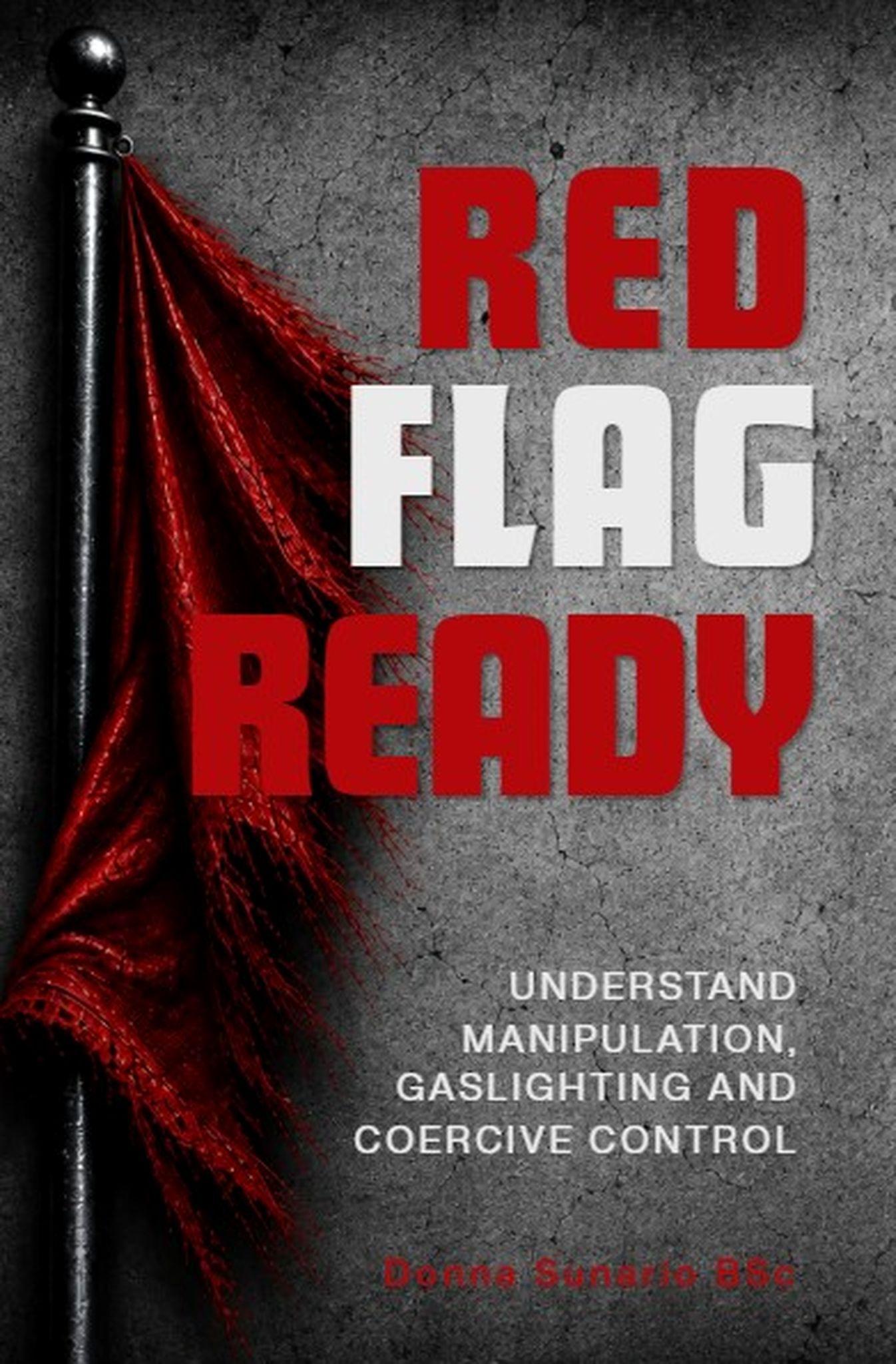
This article draws on ideas explored in full in Red Flag Ready.
Related reading
Stay in the loop
Join the Reader Circle
Receive clear, practical writing on behaviour, identity, work, resilience and the hidden systems shaping modern life.
Join the Reader Circle