Nervous System Regulation: A Practical Guide for High Performers
Nervous system dysregulation is not a character flaw. It is a signal that your body has learned to live in a state of constant readiness, and it can be retrained to recognise safety again.
If you are successful, busy and apparently functioning, you are also one of the most likely people to be carrying a nervous system that never quite switches off.
The body can look fine on the outside while the inside is running on alarm.
This is nervous system dysregulation. It is not a weakness and it is not a diagnosis. It is the state of a body that has learned to live in constant readiness.
For high-performing professionals, this often shows up as difficulty sleeping, restlessness, a racing mind, irritability, or the sense that nothing you do ever quite lets you rest.
It can also look like achievement. You keep going because stopping feels dangerous. Your system has learned that rest is a threat, not a reward.
The good news is that a dysregulated nervous system can be retrained. It is a design problem, not a personality problem.
Here is how to regulate your nervous system in practical, everyday ways that fit a demanding life.
Start by noticing what state you are in before you try to fix it.
Most people try to calm down from a place of self-judgment. That judgement itself adds activation, which makes regulation harder.
Instead, name the state gently. 'I am activated.' 'I am in survival mode.' 'My body is trying to protect me.' This single shift lowers the charge.
Technique one: orient to the present. Look around and name three things you can see, two things you can hear, and one thing you can feel against your body.
This simple pattern interrupts the brain's threat loop and reminds the body that the danger is not actually present now.
Technique two: lengthen the exhale. Breathe in for four counts and out for six or eight counts. Repeat for one minute.
A longer exhale activates the parasympathetic branch of the nervous system, which is the body's built-in brake pedal.
Technique three: use the vagus nerve. Hum, gargle with water, splash cold water on your face, or hold a cold glass against your cheek.
These signals tell the nervous system that it is safe enough to drop the guard. The body responds faster than the mind.
Technique four: discharge through movement. Walk briskly, shake your hands, stretch, or climb a flight of stairs.
Stress hormones are built to move. When the body is stuck at a desk, the activation has nowhere to go. Movement completes the cycle.
Technique five: time-box the activation. If you are worrying about something, set a timer for ten minutes and allow the worry to happen fully.
When the timer ends, close the loop and move to a regulating activity. This teaches your system that worry is manageable, not infinite.
Technique six: schedule recovery, not just rest. Recovery is not the absence of work. It is the deliberate return to baseline.
Bookend intense meetings with a two-minute transition. Eat lunch away from the screen. Protect the first and last ten minutes of your day.
Technique seven: reduce sensory load. Constant notifications, noise, bright light and multiple screens keep the nervous system in a state of low-grade vigilance.
Lower the brightness, turn off non-essential alerts, and create one quiet space in your day where your brain can settle.
Technique eight: track the pattern. Notice which people, conversations, deadlines, and thoughts reliably move you out of your window of tolerance.
A pattern is not a failure. It is data. Once you can see the trigger, you can design a response that actually works for you.
The window of tolerance is the range of arousal in which you can think, feel, relate and perform well. Above it, you are anxious and reactive. Below it, you are numb and shut down.
Regulation is not about staying calm all the time. It is about returning to the window more quickly and recognising the signs earlier.
Human Systems Design treats this as a system problem. The behaviour is the signal. The pattern is the path. The system is what you redesign.
If you want to go deeper, The Nervous System Tax maps the hidden architecture behind this and gives you a practical method for recovery.
You do not need a different life to feel better. You need a different relationship with the system that is running your current one.
Want the full framework?
Find the book that fits what you are carrying.
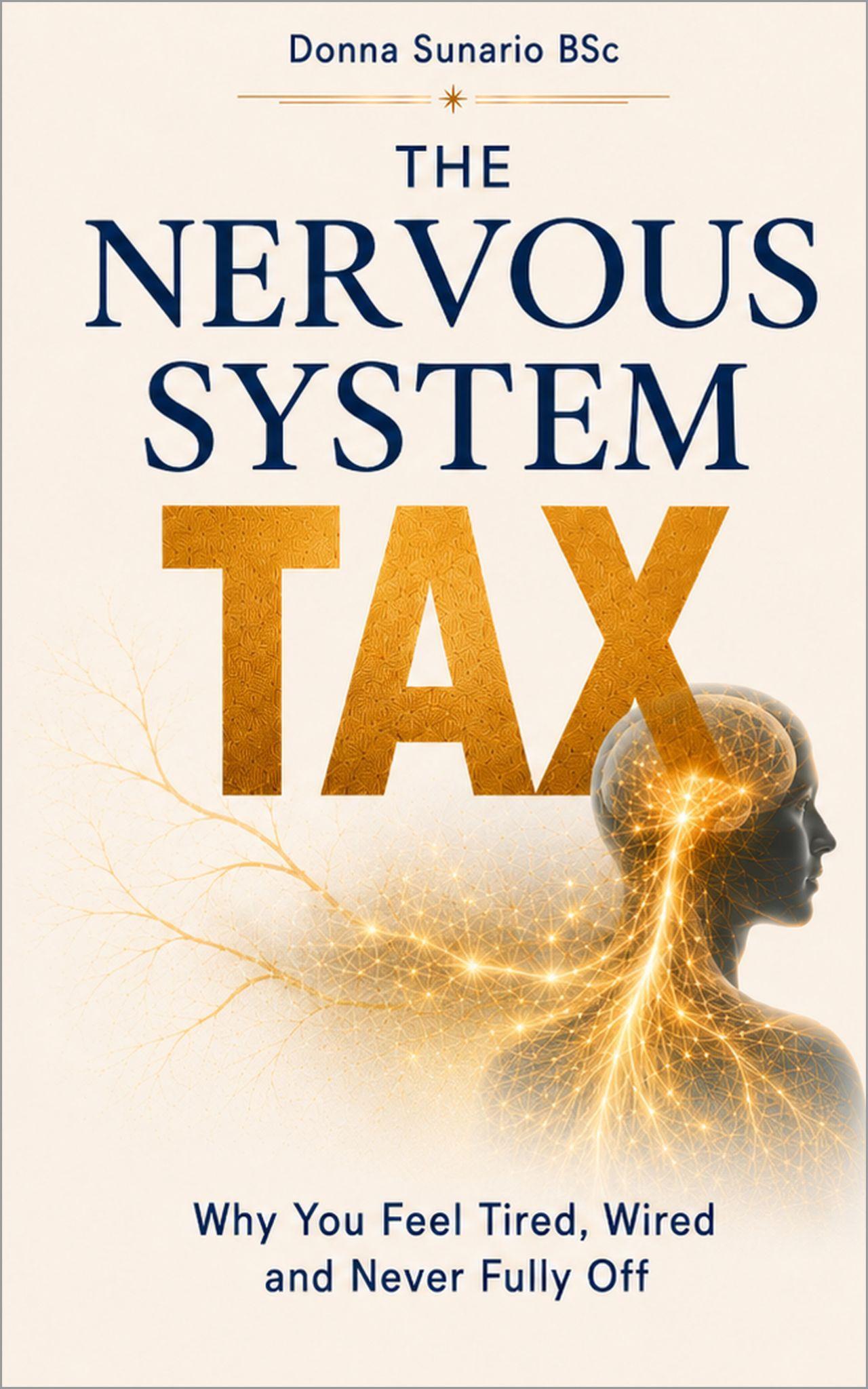
This article draws on ideas explored in full in The Nervous System Tax.
Related reading
Why Can't I Relax Even When Nothing Is Wrong?
Many people are not stressed because something bad is happening. They are stressed because their body no longer knows how to recognise safety.
Why People Repeat the Same Patterns
Human behaviour is rarely random. What looks like a bad habit is usually a system doing exactly what it was trained to do.
The Hidden Logic of People Pleasing
People pleasing is not weakness. It is an intelligent strategy learned in an environment where safety depended on being agreeable.
Stay in the loop
Join the Reader Circle
Receive clear, practical writing on behaviour, identity, work, resilience and the hidden systems shaping modern life.
Join the Reader Circle